

Popular 'non-habit forming' sleep gummies face an awkward new study
- Oct 17, 2026
They're sold as a gentle, plant-based way to drift off. Gummies, tinctures, capsules.
But a new study suggests the compound inside many of them may not be as mellow as the marketing.
The ingredient is cannabinol, or CBN, a lesser-known cannabis compound. In mice, researchers at the University of Connecticut found repeated doses led to tolerance and signs of withdrawal.
Head twitches and paw tremors
The team gave mice CBN twice a day for several days in a row. Over that time, the animals became less responsive to it, a sign of tolerance.
When the researchers then gave a drug that blocks some cannabinoid receptors, the mice showed head twitches and paw tremors, signs of withdrawal, Gizmodo reported.
Mice trained to recognize THC, the compound in cannabis that gets people high, also responded to CBN in a similar way. That suggests the two act on some of the same pathways.
These data indicate that repeated CBN administration induces tolerance and physical dependence.
Study authors, Drug and Alcohol Dependence
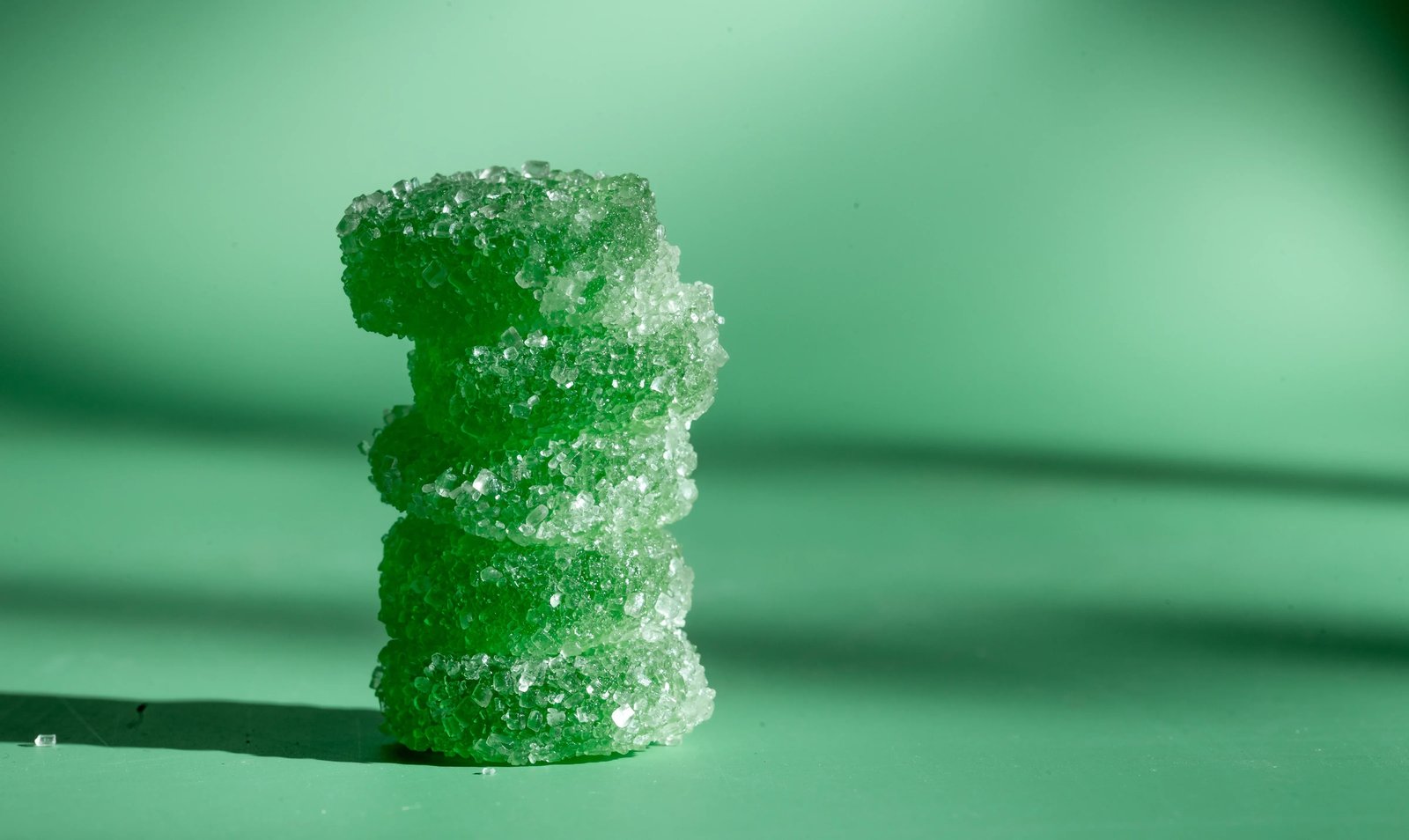
The study appears in the November issue of the journal Drug and Alcohol Dependence.
Sold as a sleep aid
"CBN is everywhere right now. Gummies, tinctures, capsules, and it's marketed as a safe, herbal sleep supplement," said Steven Kinsey, a professor at UConn's Elisabeth DeLuca School of Nursing.
Lead author S.O. Vanegas put it more bluntly. "The marketing of minor cannabinoids is pretty wild right now."

Products containing CBN are often sold as THC-free and non-habit forming, Gizmodo noted, yet there has been little research on what they do long term.
In their paper, the authors wrote that "the steep rise in demand for minor cannabinoid products in recent years has considerably outpaced empirical research."
The mice also showed something else. At lower doses that didn't produce a high, CBN had anti-inflammatory effects, but it reduced the animals' ability to fight off a simulated bacterial infection.

Mice aren't people
That's the big caveat. The work was done in mice, and it doesn't show that CBN causes dependence or withdrawal in people.
The researchers don't yet know how CBN affects sleep quality, or whether the doses in a typical supplement could lead to addiction. How the doses in the study compare with a gummy isn't clear from the university's release.
Kinsey isn't writing CBN off. "CBN may still have therapeutic value," he said.
"But until we know more about dosing and long-term effects, the message for consumers is simple: buyer beware."