Coffee calories jumped 40%, and sugar isn't the real culprit
- Oct 20, 2026
Americans aren't drinking any more coffee than they were 20 years ago. But their cups are carrying a lot more calories.
Calories from coffee jumped nearly 40% in 15 years, according to a new study from Tufts University, published online on October 19 in the Journal of the Academy of Nutrition and Dietetics.
And the biggest culprit isn't the sugar bowl.
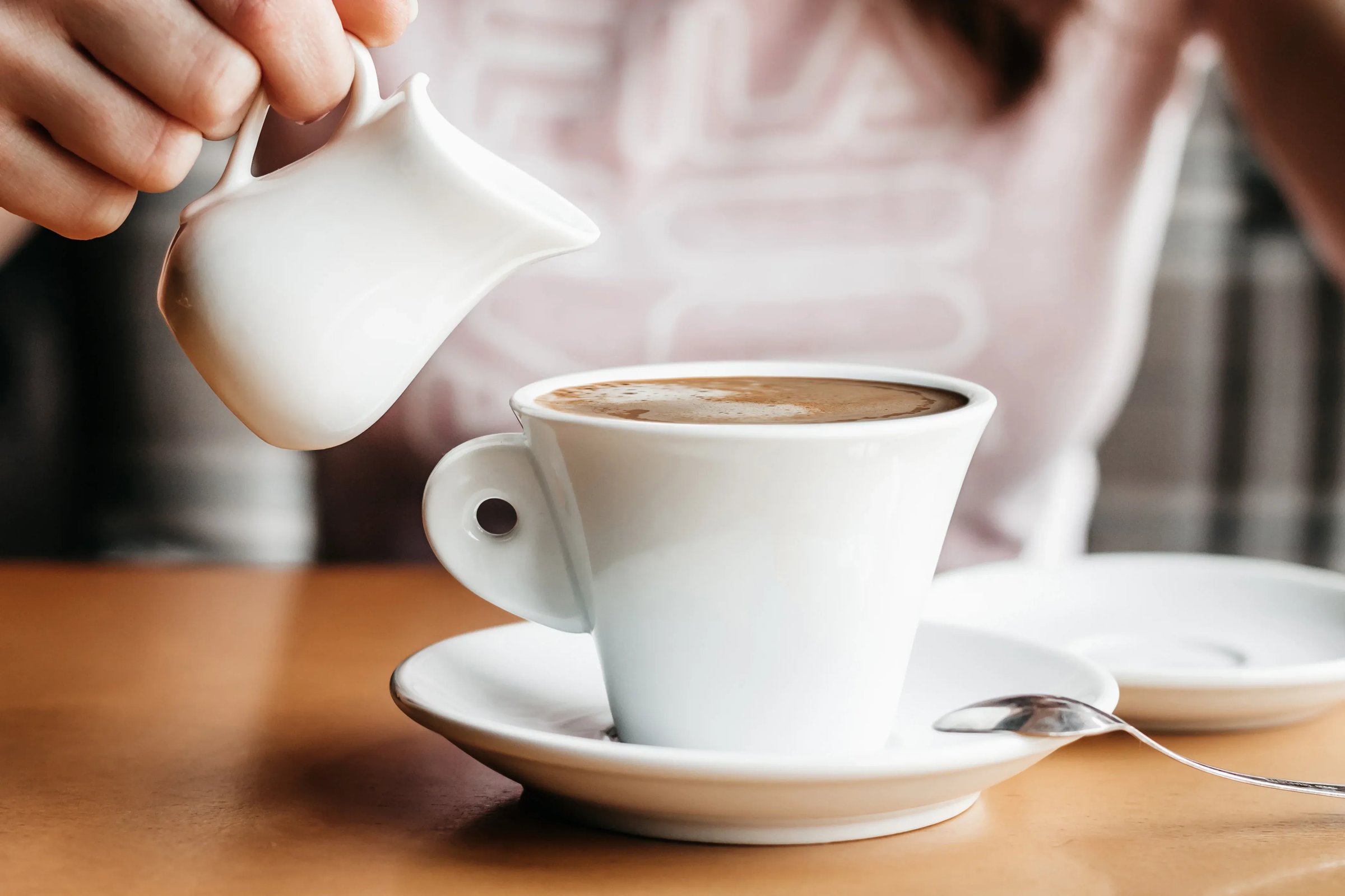
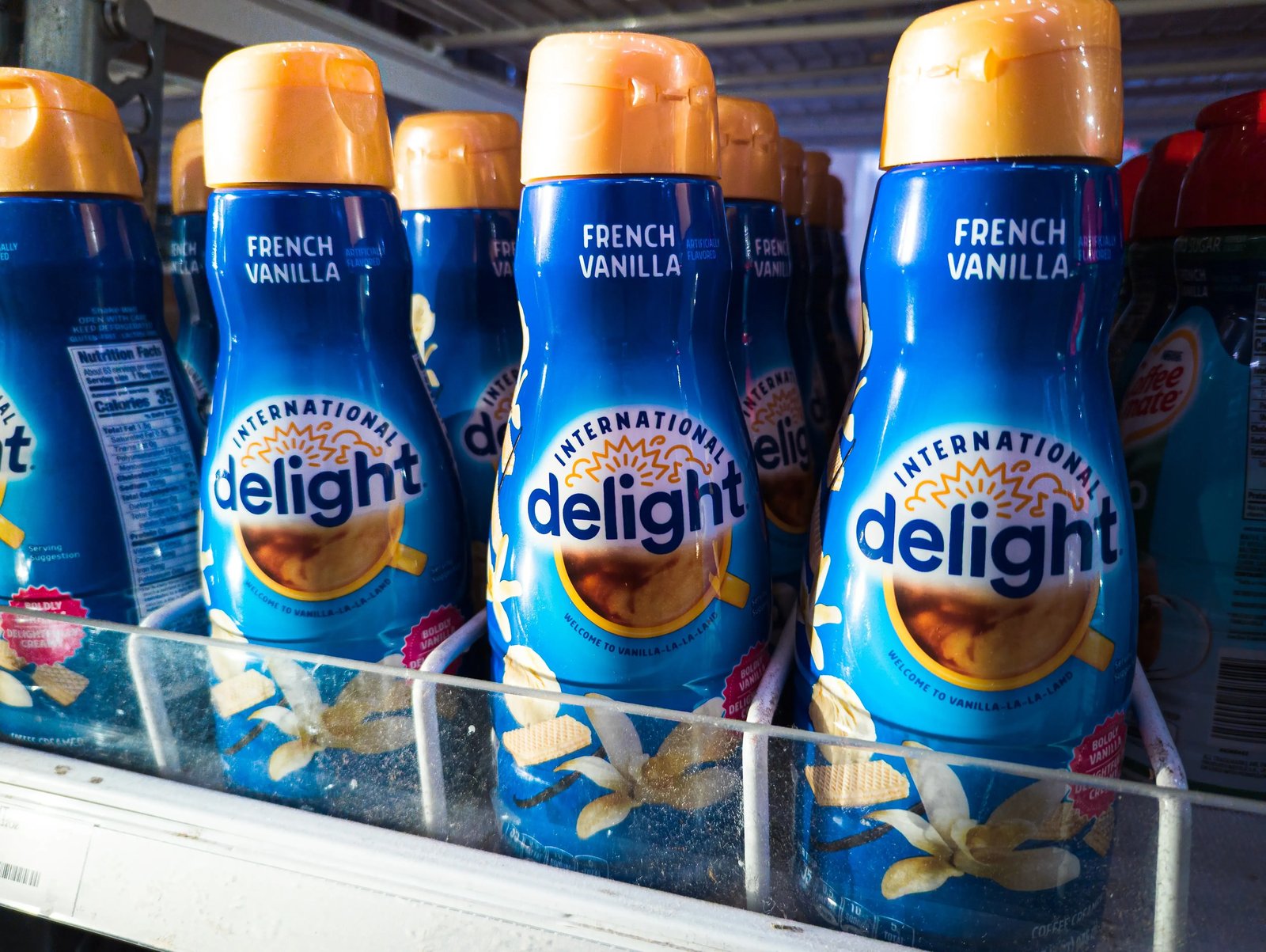
It's the creamer. Non-dairy creamer has overtaken both sugar and dairy milk as the largest source of added calories in America's coffee, the researchers found.
Same cup, more calories
The team, from Tufts' Friedman School of Nutrition Science and Policy, analyzed national survey data from about 30,000 U.S. adults aged 20 and older, collected in eight rounds between 2003 and 2018.
Each person recalled everything they ate and drank over two separate 24-hour periods.
Coffee drinking barely moved, staying at roughly 13 ounces a day. But calories from coffee climbed from 43 a day to 60.
By 2018, non-dairy creamer was adding 18.5 calories a day to the average adult's coffee, up from 7.71 in 2003. Sugar and syrup added 16 calories, and dairy milk 11.
Milk is still the most common addition by weight, at 21.4 grams a day. Non-dairy creamer came in at 8.1 grams, and sugar at 4.4.
We found that non-dairy creamer being added to coffee has now passed both sugar and dairy for its contribution to the total energy consumed from coffee.
Yongyi Pan, Tufts University
A spoonful of fat
So how do a few grams of creamer add up to so many calories?
"Non-dairy creamers can be high in saturated fat, which is calorie dense," said lead author Yongyi Pan, a Ph.D. candidate at the Friedman School. "This could explain the increased calories that non-dairy creamer is contributing."
Pan noted that non-dairy creamer has been on the market since the 1950s, but has grown more popular as people look for plant-based or dairy alternatives. Non-dairy milk rose too, from 0.27 grams a day to 2.45.

The trend hasn't stopped. Plant-based creamer sales rose 2% in 2025, according to Good Food Institute figures cited by Daily Coffee News, while conventional creamer dollar sales rose 4%.
The study also found that people who slept fewer hours or worked longer hours drank more coffee. Men, non-Hispanic white adults and higher-income adults drank more too, Daily Coffee News reported.
Not a verdict on your morning cup
The study tracked what people put in their coffee, not what happened to their health. It relied on people remembering what they drank, and its data ends in 2018.

Senior author Fang Fang Zhang, the Neely Family Professor at the Friedman School, isn't anti-coffee.
"Coffee consumption has been associated with several health benefits," she said. "However, coffee is often accompanied by the addition of sugar and cream, which can contribute to an increased consumption of calories from added sugar and saturated fat."
She said the point is to understand what people actually drink. "The more we know about what people are consuming, the better we can understand the link between nutrition and overall health."
The authors declared no conflicts of interest, according to Daily Coffee News.