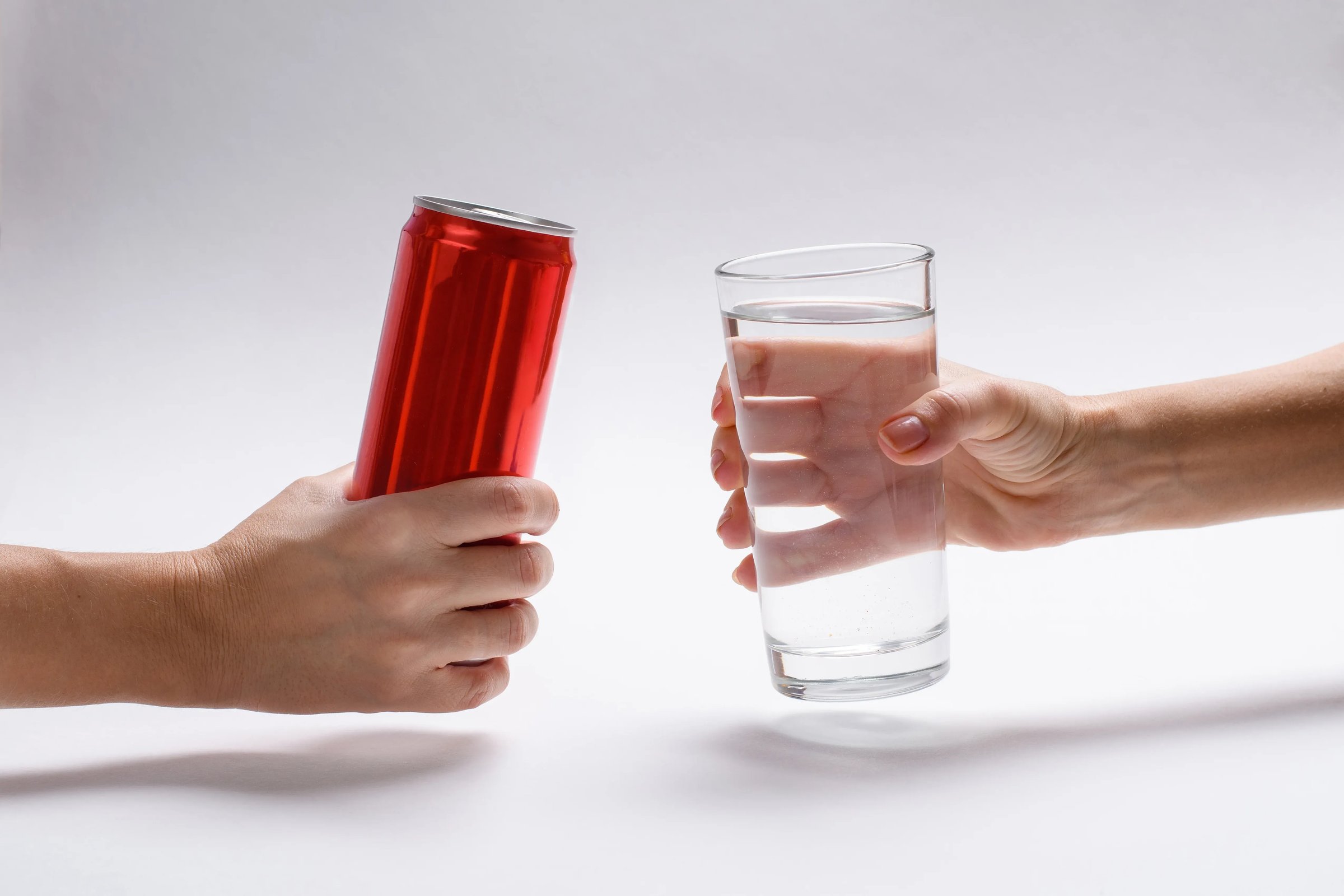
Diet soda went up against water for two years. It didn't lose
- Oct 14, 2026
For years, diet soda has been the drink dieters were told to feel guilty about.
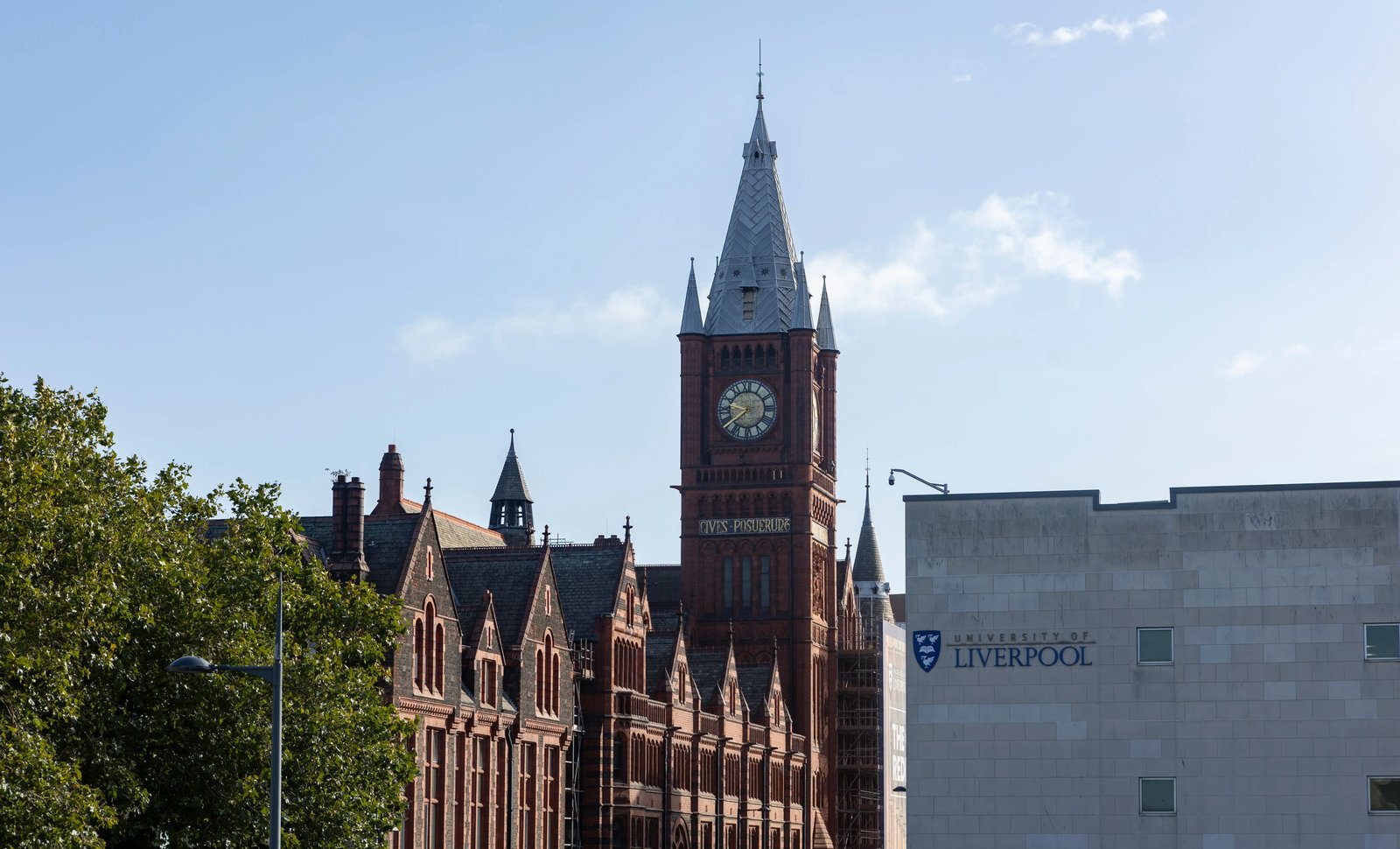
Now a two-year trial from the University of Liverpool says it did about as well as plain water for losing weight and keeping it off.
The study, called SWITCH, was published in the British Journal of Nutrition, and the university announced the results at the end of September.
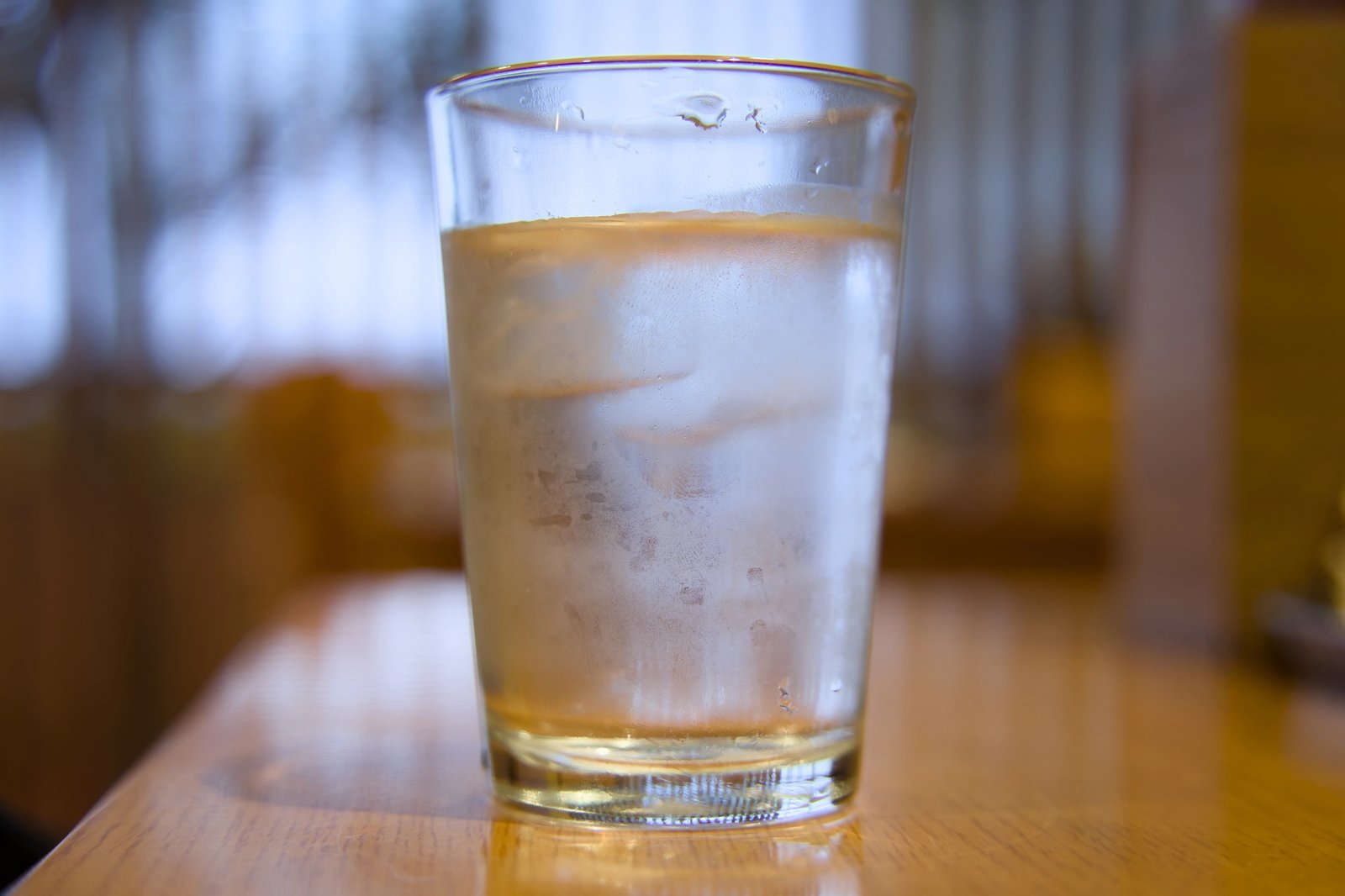
Water versus the can
Researchers recruited 493 adults with overweight or obesity. All of them went through the same structured weight-management program.
Each was randomly assigned to drink either water or diet drinks every day. The drinks were sweetened with aspartame, acesulfame-K or sucralose, at levels within European Food Safety Authority limits.
After 104 weeks, the diet-drink group had lost about 4.8 kg (10.6 pounds) and the water group about 3.7 kg (8.2 pounds).
The gap wasn't statistically significant. In other words, neither drink beat the other.
Both groups kept the weight off through the final year, when the program's support had ended. Both trimmed their waists and hips, improved their body composition and shifted several metabolic markers.
There was no clinically meaningful difference in blood pressure or cholesterol. Sugar intake fell in both groups, slightly more in the diet-drink group.
These latest findings show that concerns about sweeteners disrupting appetite or causing weight gain are not supported when tested in a rigorous, long-term randomized trial.
Professor Joanne Harrold, University of Liverpool
Who paid for it
Here's the part the soda ads won't mention: the study was funded by the American Beverage Association.
The researchers say the team was independent of the funder and had full control over the analysis and reporting.
And plenty of people dropped out. Sci.News reports that 220 of the 493 participants completed the trial.
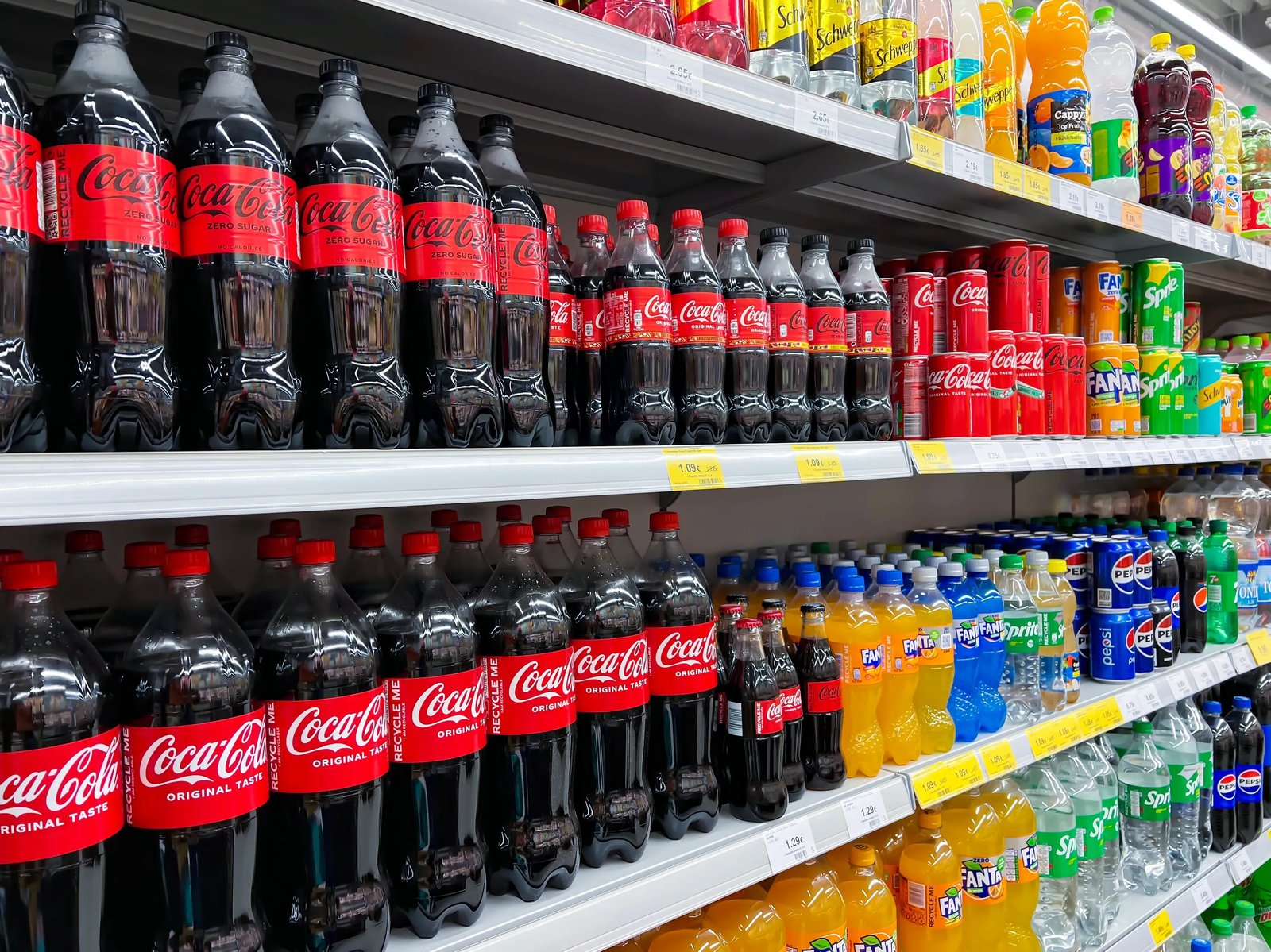
The results land in a long-running fight. The World Health Organization advised in 2023 against relying on non-sugar sweeteners for weight control, guidance the authors say leaned on uncertain observational studies.
"This study provides the long-term clinical evidence that has been missing from international discussions," said Professor Jason Halford of the University of Leeds and the University of Liverpool.
A tie, not a winner
The trial compared diet drinks with water, not with sugary soda, and everyone in it had the support of a structured program.
KPRC 2 notes the findings don't mean diet drinks are nutritionally identical to water, or that everyone should swap one for the other.
Halford said diet drinks "offer an effective alternative to sugar-sweetened drinks" and "perform equivalently to water over two years."
Harrold, Dean of Psychology at Liverpool, has her eye on the global rulebook. "We hope this evidence informs future WHO guidance and public health policy," she said.