

That after-dinner snack has been linked to an organ you'd never guess
- Oct 19, 2026
The fridge raid after dinner. The bowl of cereal before bed.
A big new study has linked those habits to an organ most people never think about at bedtime.
The liver. People who regularly ate after dinner or after bedtime had a 20% to 30% higher risk of liver disease, including fatty liver disease and cirrhosis, than people who didn't.
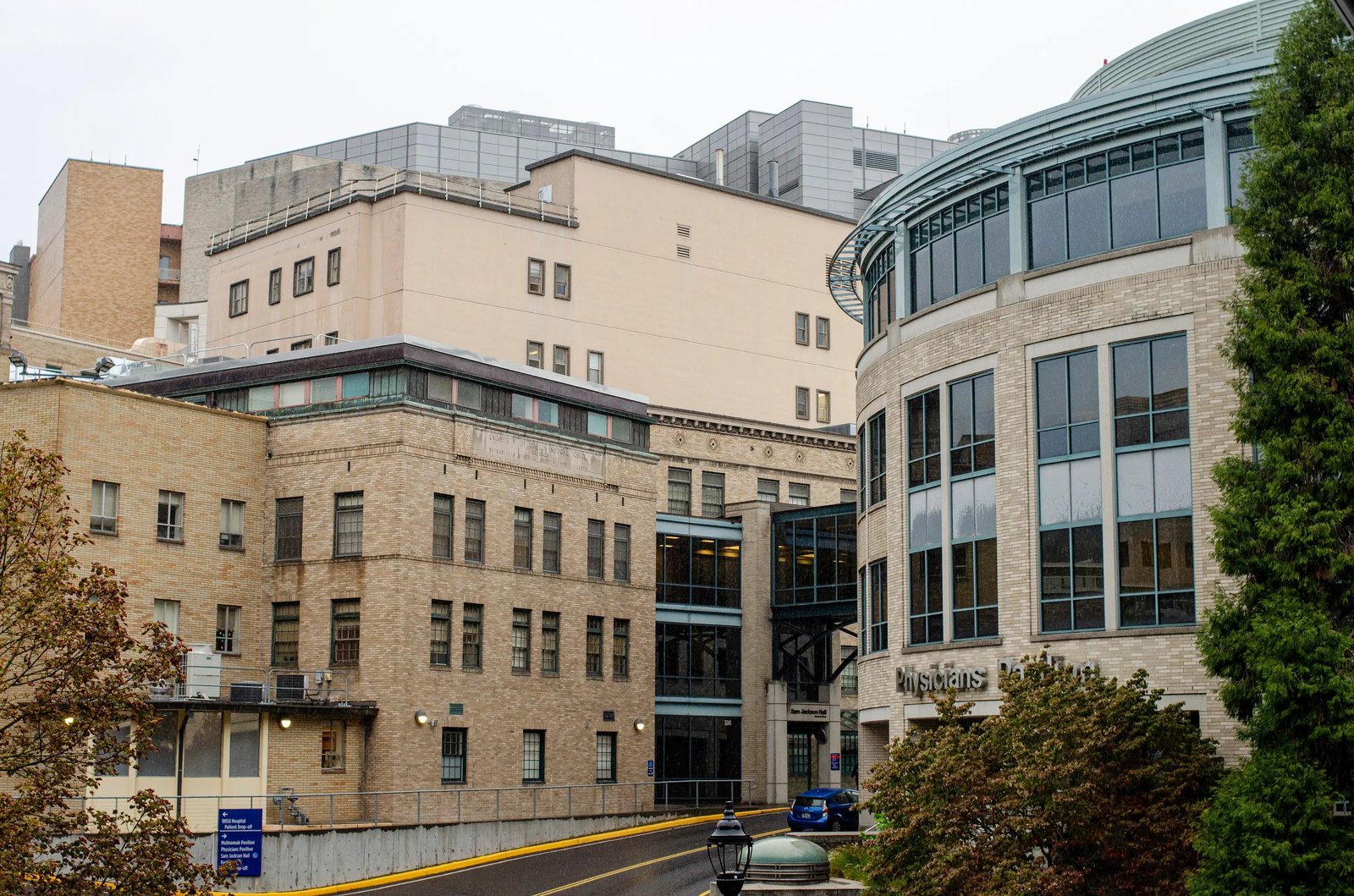
The research, led by Oregon Health & Science University (OHSU), was published in the journal Clinical Gastroenterology and Hepatology.
Nearly 200,000 people
The team pooled data from three long-running U.S. studies: the Nurses' Health Study, the Nurses' Health Study II and the Health Professionals Follow-up Study.
Participants reported their own eating habits and lifestyles. The researchers grouped them by when they usually ate and compared those groups with reported fatty liver disease and cirrhosis.
A few studies have hinted at this idea, but this is among the first long-term analyses to explicitly draw the connection to fatty liver disease.
Dr. Robert Wilechansky, OHSU
Lead author Dr. Robert Wilechansky is an OHSU hepatologist who specializes in liver transplantation.
"We know the liver is very much in tune with the body's circadian rhythms," he said.
Your body clock has opinions
Co-author Andrew McHill, a sleep and circadian physiologist at OHSU, says timing keeps turning up in the research.
"We are seeing over and over again that the timing of behaviors, whether it's sleep, eating or exercise, really matters," he said.
"For example, we have shown that eating during the night, when the internal biological clock is promoting sleep, reduces the ability of your body to metabolize foods as efficiently and can eventually lead to obesity, diabetes and now poor liver health."
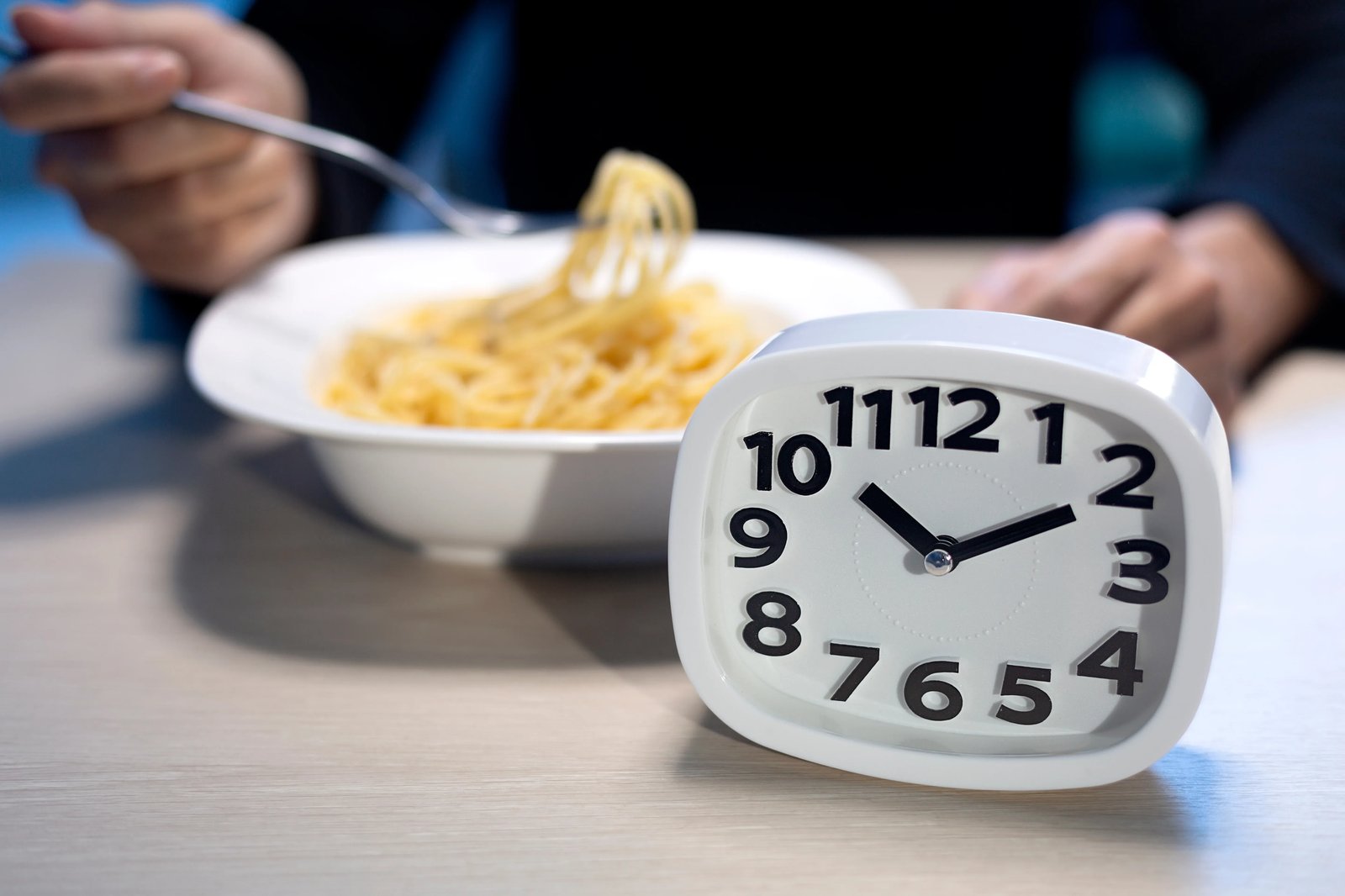
Fatty liver disease, now called MASLD, is the most common chronic liver disease and affects as much as 30% of the U.S. population, Medical Economics reported.
Not proof, yet
The study was observational, so it can't show that eating late causes liver disease. It relied on people's own reports and broad descriptions of when they ate, and it didn't set a specific cut-off time.
Wilechansky also points out that fatty liver disease rarely becomes something worse. "It's important to remember, of the people who developed fatty liver disease, only a small fraction develop serious forms of the condition like liver cirrhosis," he said.

The next step is a real-world test. OHSU is recruiting for a clinical study that will track eating directly and test whether eating earlier improves measures of fatty liver disease.
The research was funded by the American Association for the Study of Liver Diseases Foundation.