Weight-loss jab users report a strange problem with their fingernails
- Oct 2, 2026
Hair loss on weight-loss jabs has been talked about for a while. Now researchers have looked at the nails.
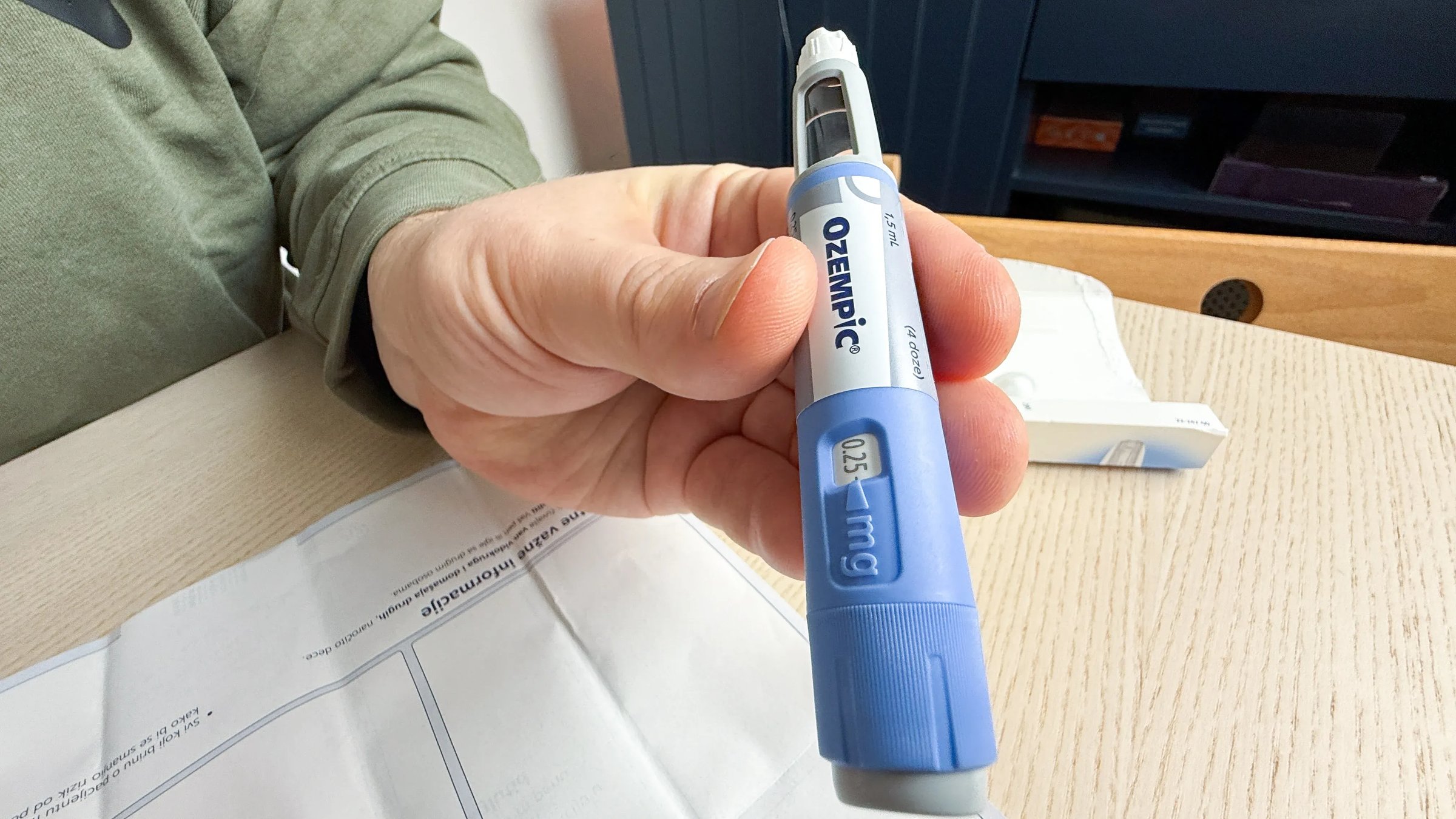
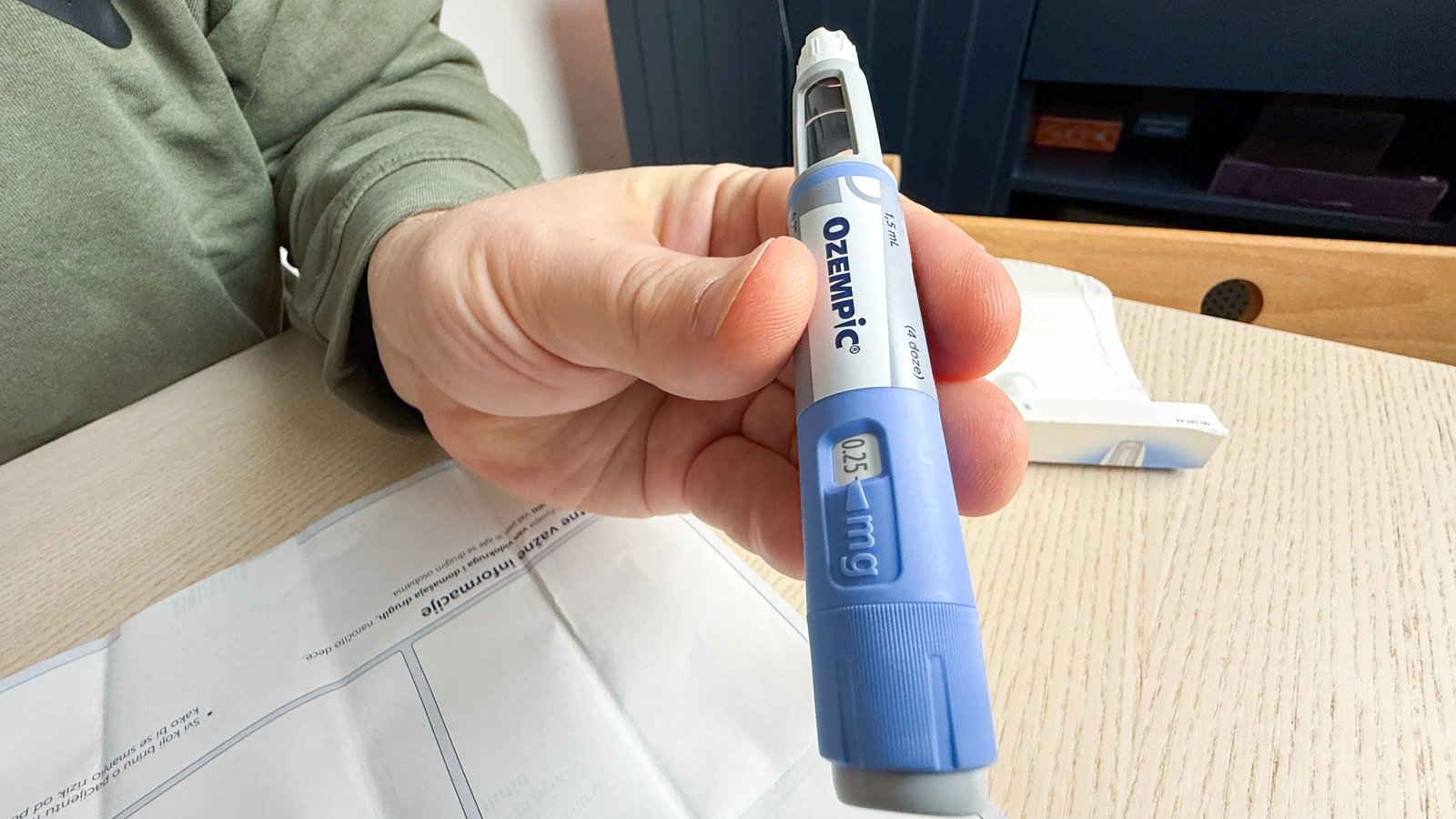
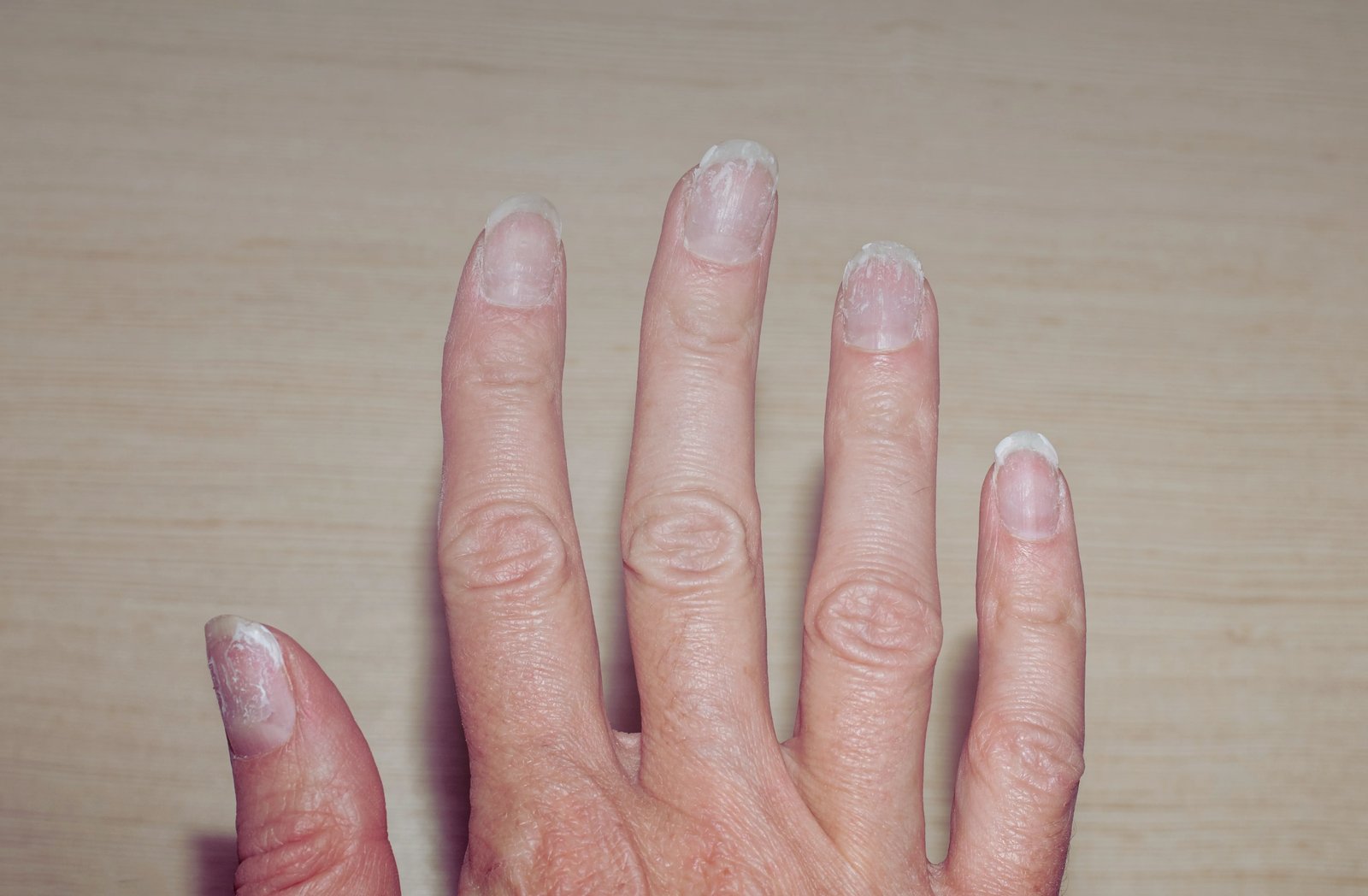
People taking GLP-1 drugs such as Ozempic, Wegovy, Mounjaro and Zepbound reported nails lifting away from the nail bed more than four times as often as people who had never used them.
The findings were presented at the European Academy of Dermatology and Venereology (EADV) Congress 2026 and reported on October 1. They had not yet been peer-reviewed, BBC Science Focus reported.
Four times as common
The nail study compared 575 GLP-1 users with 1,329 people who had type 2 diabetes, obesity or both but had never taken the drugs. They came from France, the US, Brazil and Mexico.
Nail detachment was reported by 39% of users and 9% of non-users. Nail discoloration: 46% against 17%. Any nail problem at all: 66% against 53%.
After adjusting for existing skin conditions and nutritional deficiencies, detachment and discoloration were still about two to three times more common among users.
And losing weight didn't fully explain it. The gap remained even when the researchers looked only at people who had lost weight.
"Until now, nail changes associated with GLP-1 therapies had essentially been anecdotal," said study author Dr. Charles Taïeb.
The scalp was red too
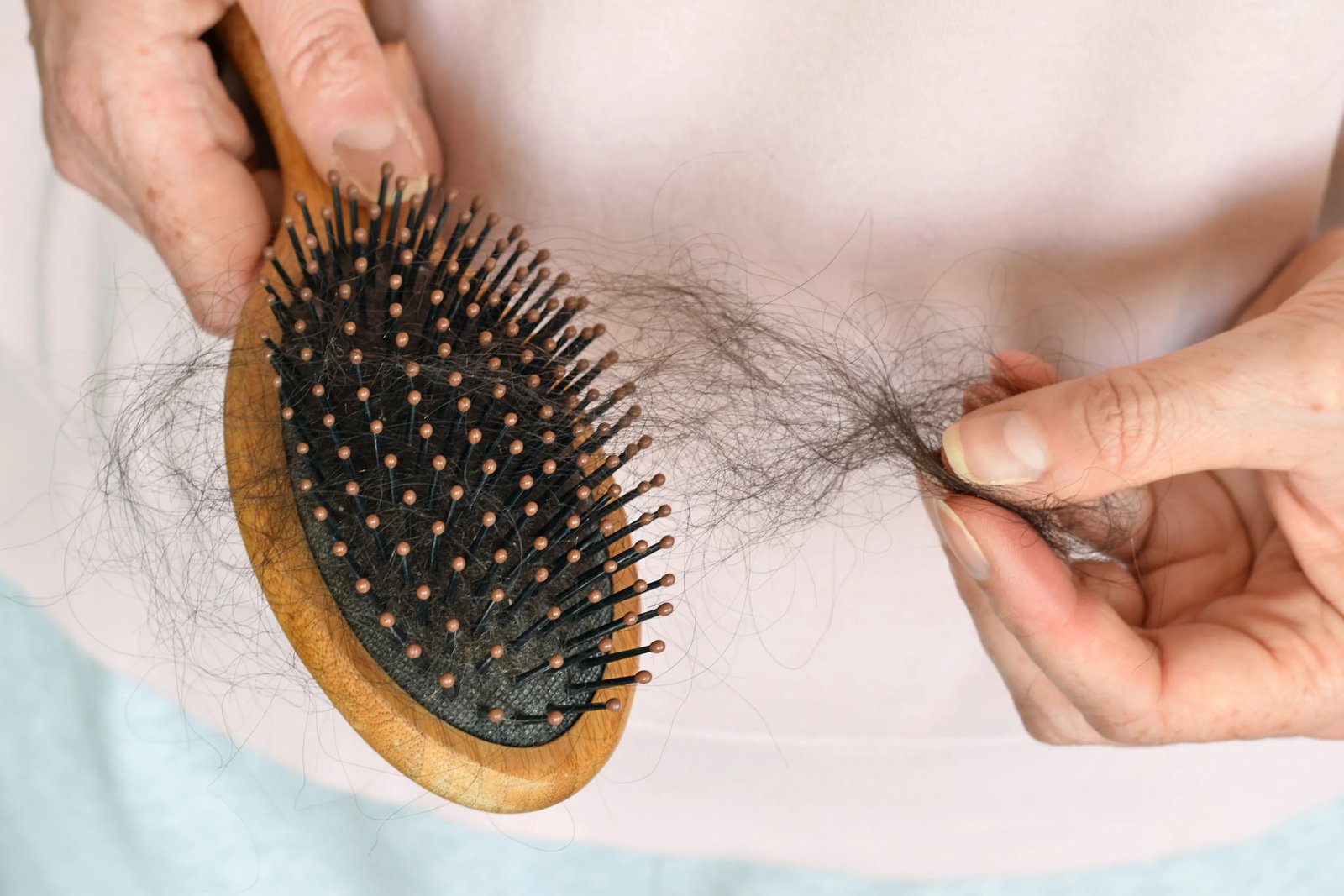
A companion study of the same people looked at hair. Unusual hair loss was reported by 50% of users and 34% of non-users, and thinner hair by 42% against 19%.
Scalp inflammation was the rule rather than the exception, which clinicians do not currently look for and which may be treatable.
Dr. Bruno Halioua, study author
Hair loss that started after treatment began was reported by 26% of users and 12% of non-users. Scalp redness was about three times as common, and most people with shedding also had itching, redness or flaking.
"This suggests that what is happening on the scalp may go beyond the classical shedding seen after rapid weight loss and involve an inflammatory component," Halioua said.
But there's a catch
About half the users said they had nail problems before they ever started treatment.
The studies were snapshots based on what people reported, not standardized clinical exams, so they show a link, not proof the drugs caused anything. The nail study was funded by DUCRAY Laboratories, part of the Pierre Fabre Group, which makes dermatological and hair-care products.
"Our findings show a clear association, but they also underline an important point: not everything that happens during GLP-1 treatment is necessarily caused by the treatment itself," Taïeb said.
Dr. Christos Tziotzios, a consultant dermatologist at Guy's and St Thomas' Hospitals in London who wasn't involved, was quoted by BBC Science Focus saying a direct effect of the drugs on hair and nails "remains unproven."
"Nobody should stop treatment because of this research," he said.
Halioua agreed. "These changes are frequent, usually benign, and are not a reason to stop an effective treatment on one's own initiative," he said, adding that anyone who notices them "should mention it to their doctor rather than discontinue therapy."
Fingernails take around six months to grow back, and toenails longer, BBC Science Focus notes. The team now plans studies that follow patients from their first dose, with standardized skin, hair and nail exams.