Bone Temple: Exploring the Thrills, Shocks, and Symbolism in the '28 Years Later' Sequel
- Jan 26, 2026
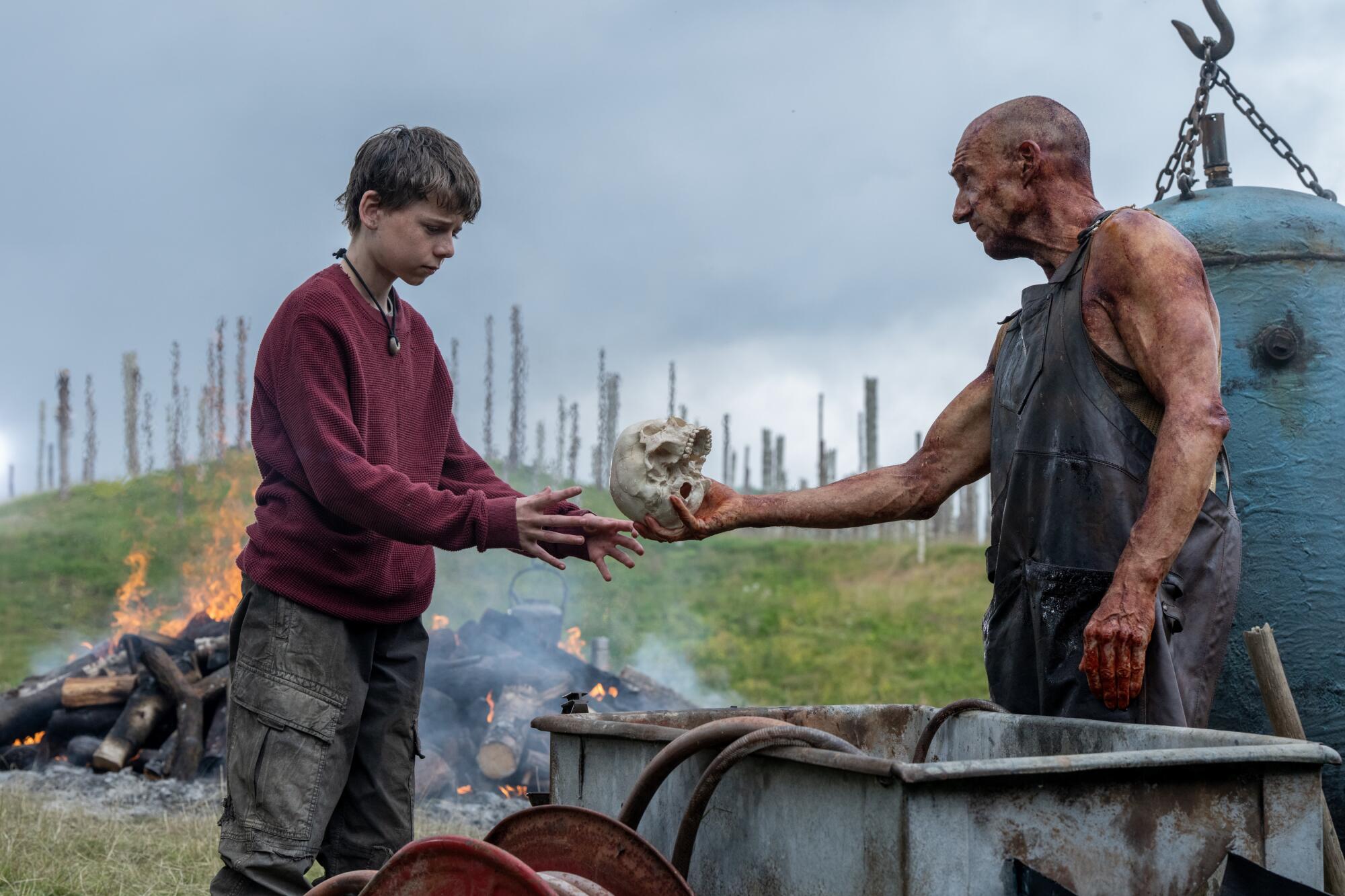
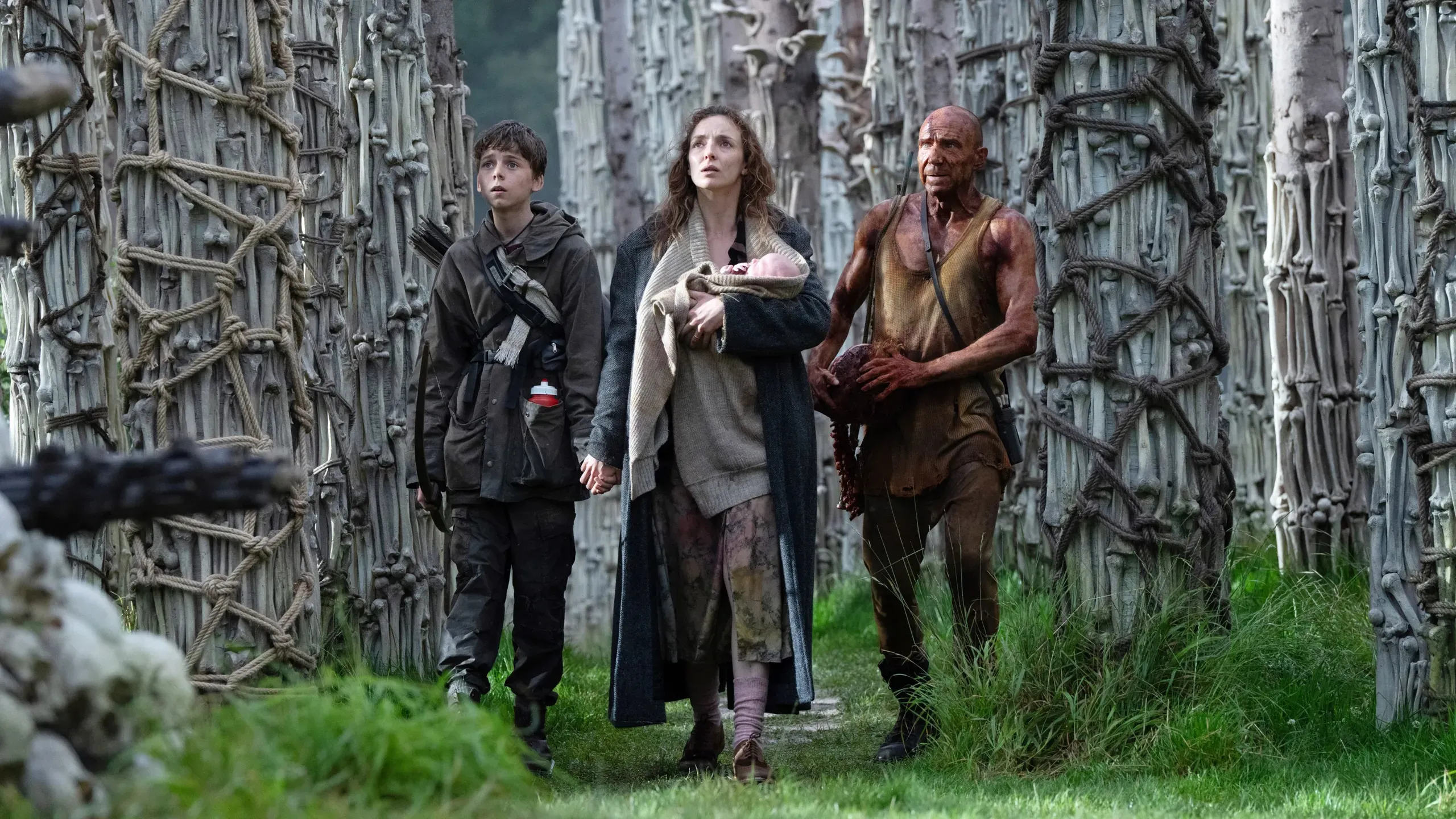
In an eerie setting reminiscent of works by Antoni Gaudí and H.R. Giger, the Bone Temple stands as a symbol of pandemic victims. Its pinnacle is a pyramid of skulls, a chilling yet potent reminder from the twisted doctor who built it, of the universal truth of mortality. The haunting locale made a strong impact in the popular film "28 Years Later" directed by Danny Boyle.
The sequel, “28 Years Later: The Bone Temple", following three main characters, is darker and significantly more disturbing than its predecessor. Despite a change in directorship, with Nia DaCosta leading the film and Boyle planning to return for a third installment, screenwriter Alex Garland carried on his intricate storytelling throughout the franchise, which began with “28 Days Later” nearly 28 years ago.
The film dives into the reckless scientific pursuit of Dr. Ian Kelson, played by Ralph Fiennes, as he aims to understand the Rage virus victims, especially the super powerful ‘alphas’. The doctor adopts a compassionate approach, attempting to treat the affected individuals.
The movie unfolds with an appalling twist where late-joiner Spike allies with a cruel pseudo-cult led by Jimmy Crystal, who worships the devil after witnessing his own father infected by the virus. The terrifying tension of the movie revolves greatly around how humanity’s progressive developments are threatened to be undone by greed for power, barbaric heinous actions and a sense of nihilism, mostly perpetrated by Crystal’s gang.
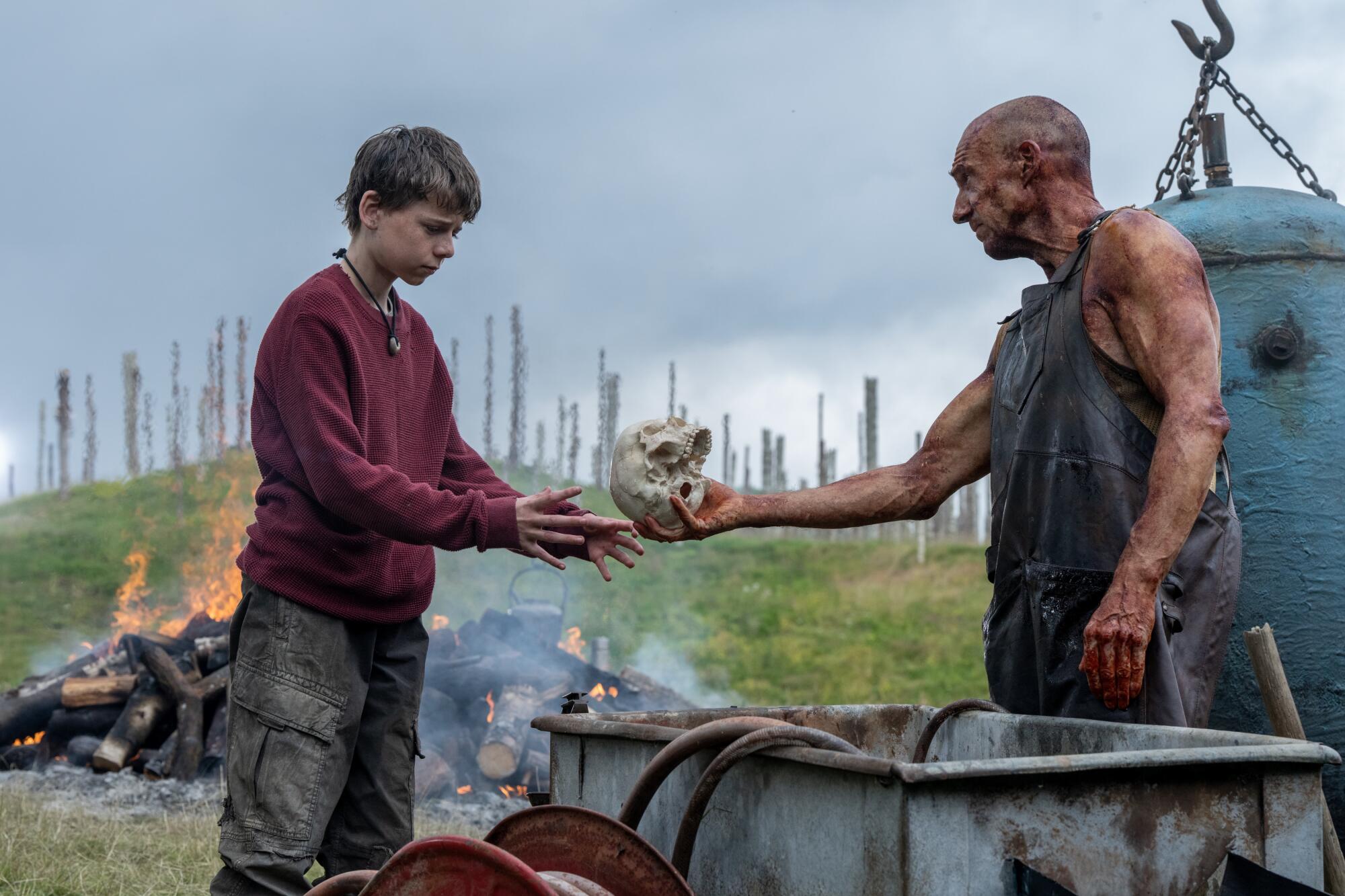
“28 Years Later: The Bone Temple" is increasingly more bloody compared to its earlier counterparts, inducing shock and fear through brutal displays of sadism. The film also surprisingly juxtaposes periods of deep contemplation and calm, with outbursts of extreme graphic violence.
Those who found “28 Years Later” not scary enough, may appreciate DaCosta treating “The Bone Temple” as hardcore horror. It distinguishes itself from earlier films as a polished and sophisticated addition, a quality that does not necessarily make it superior to Boyle’s films but sets an interesting new tone.
Ralph Fiennes' performance as Ian is intense and captivating – the struggling scientist enduring immense grief for a lost society, yet demonstrating a will to restore order. This inclusion of deep, multidimensional characterization elevates the film, making it a desirable watch for zombie and genre aficionados alike.