Exploring the Courage of Dissent under Putin's Regime
- Feb 3, 2026
In recent times, the persistence of a dissident spirit echoing the samizdat movement from the Soviet era is evident. This spirit is manifested in material critically scrutinizing Vladimir Putin’s regime, making its way to international platforms, whether they be provocative films about Ukraine, or documentaries like Navalny and My Undesirable Friends: Part I - Last Air in Moscow.
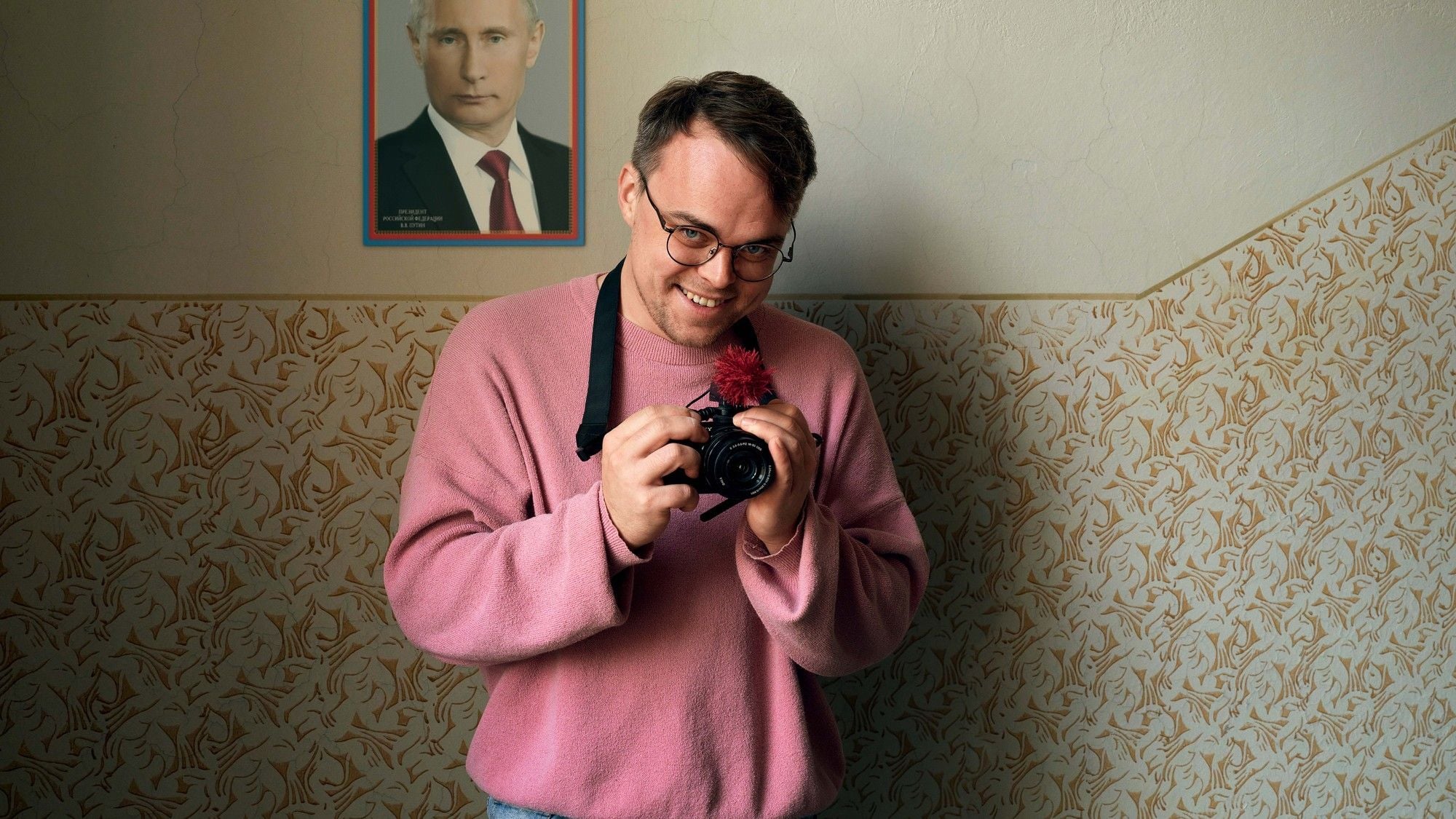
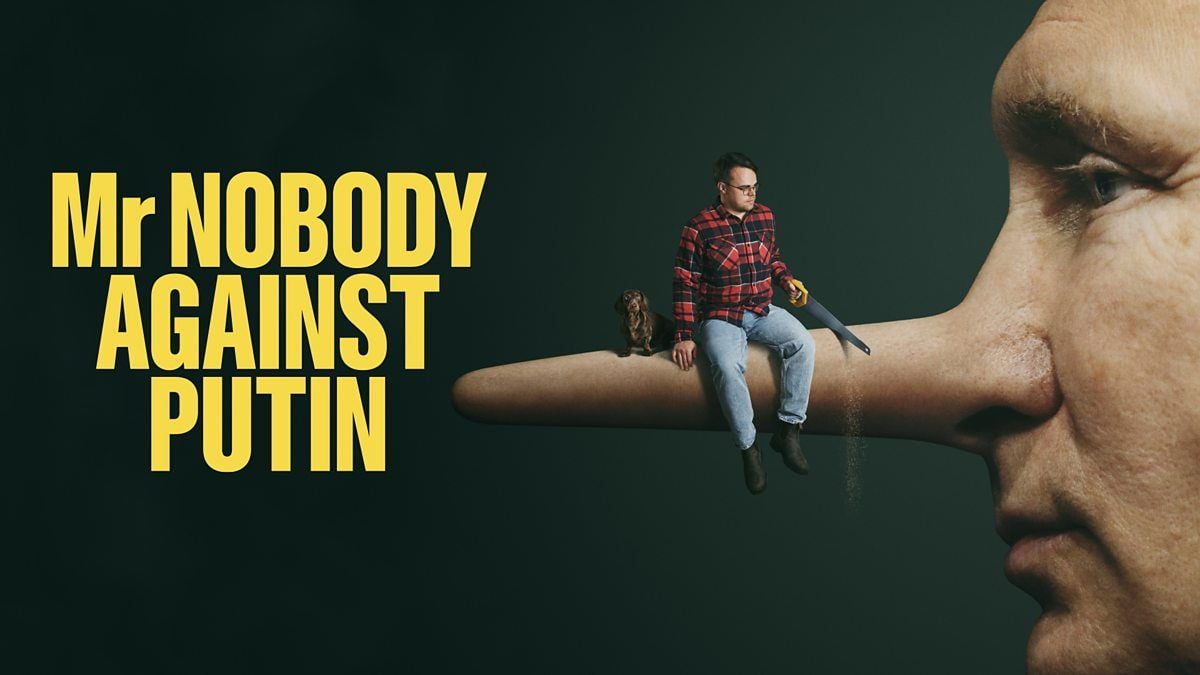
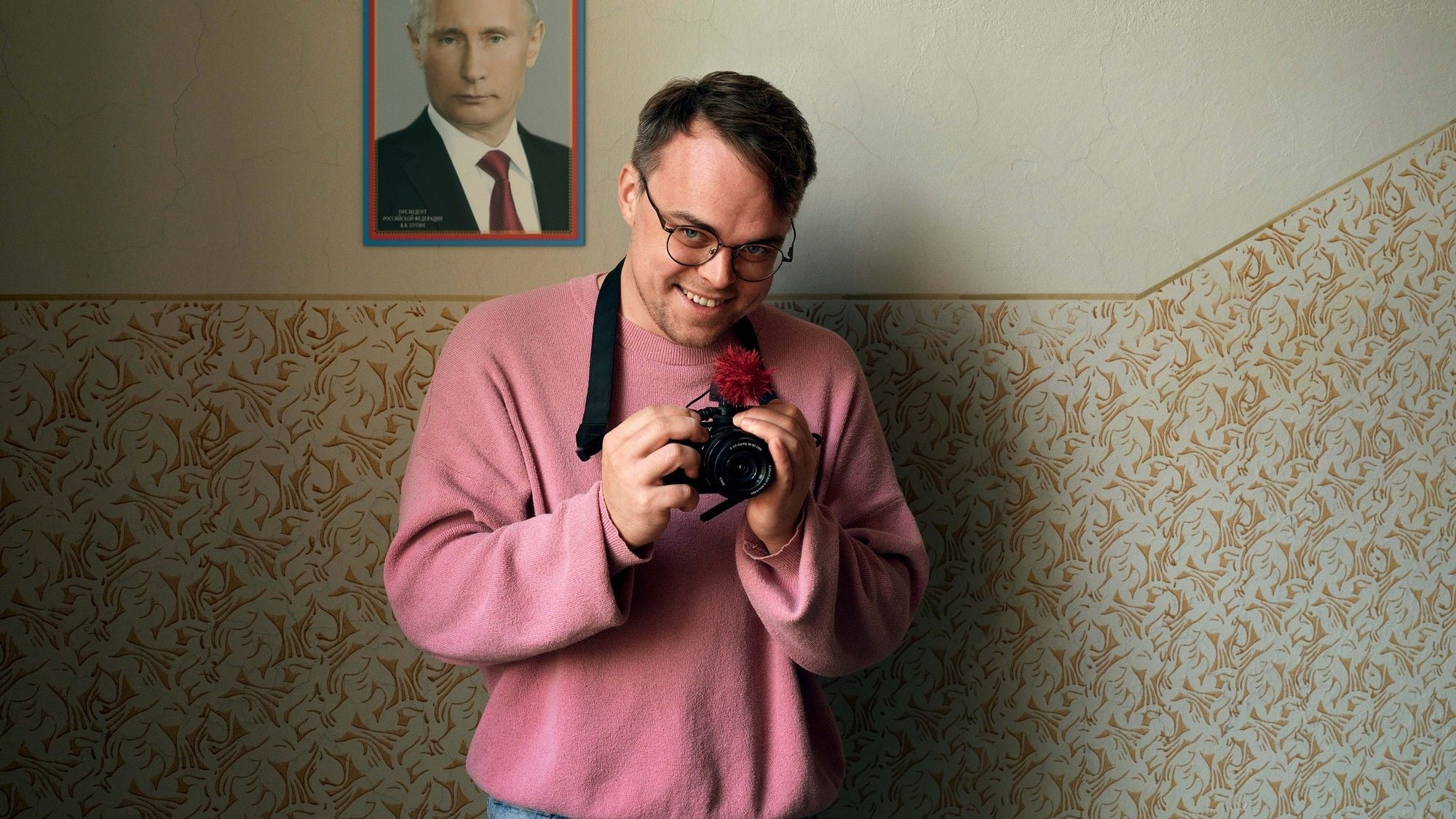
One such compelling documentary is "Mr. Nobody Against Putin." It tells a subdued yet impactful story of a primary-school events coordinator, Pasha Talankin, who smuggles footage of Russian schools where Putin's propaganda is ceaselessly blared at students. He sends these videos to Copenhagen-based filmmaker, David Borenstein, using an encrypted web application. The film unveils the relentless state indoctrination affecting even the youngest minds, penetrating all schools in Russia, including those in Karabash, where Pasha resides. This city is known for being one of the most polluted and despressing places globally.
Penalties for such acts of exposing the regime can lead to a prison sentence of up to 25 years. Pasha is thus the only individual in the film expressing negative sentiments about the regime, ensuring the safety of others in Russia. The close of the film sees Pasha reflecting on his love for his hometown, Karabash, his mother, and his dog, Dakota, despite the town's stifling pollution.
The film deeply resonates with the viewers, showing local youngsters maturing onscreen while posing anti-war sentiments subtly through particular Russian flags missing the typical red stripe. Masha, a teen whose brother is sent to the front, is shown tragically losing her spirit bit by bit.
The filmmakers, Borenstein and Talankin, however, mainly focus on the youth and the creeping authoritarianism rather than the adults. Pasha's occasional narrative reveals aspects the creators seem reluctant to discuss, like the possibility of him being gay.
Technically, the film brilliantly keeps it simple with succinct editing, a delicate touch of electronic music, and restrained use of post-production effects. Despite the absence of innovative whimsy that is characteristic of many Russian documentary-makers, the film still manages to poignantly reflect the anaesthetic impact Putinism has on creative expression, likening it to the deadly poison of Karabash's copper-smelting plant fumes.