Apple's $1,999 phone folds in half, and it drops a feature you use every day
- Oct 24, 2026
Apple has finally done it: an iPhone that folds in half.
But to make it work, Apple quietly dropped something most iPhone owners use every day.
The iPhone Duo, Apple's first foldable phone, went on sale on Oct. 23 in more than 70 countries, and 28 more get it today. It starts at $1,999 for 256GB.
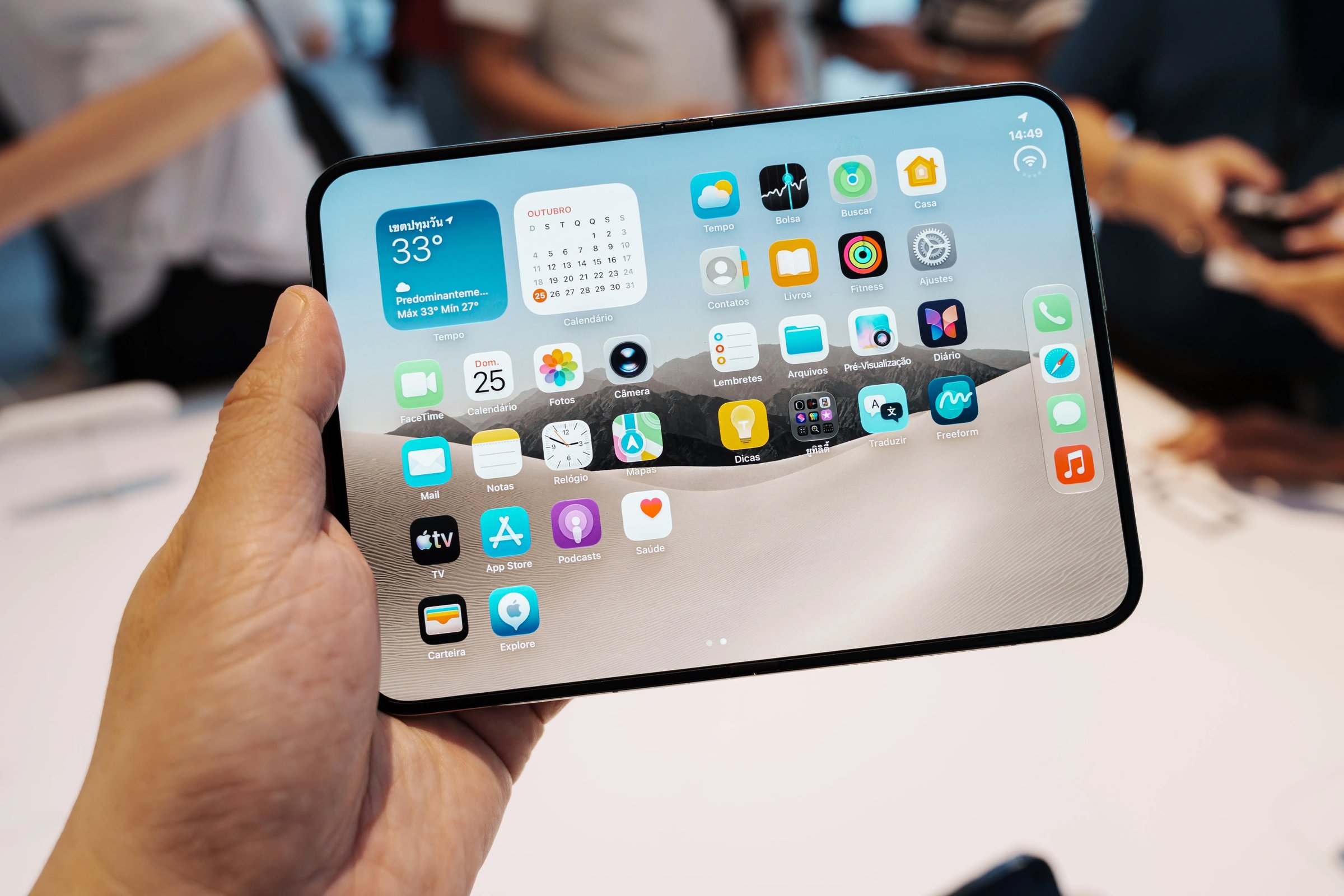
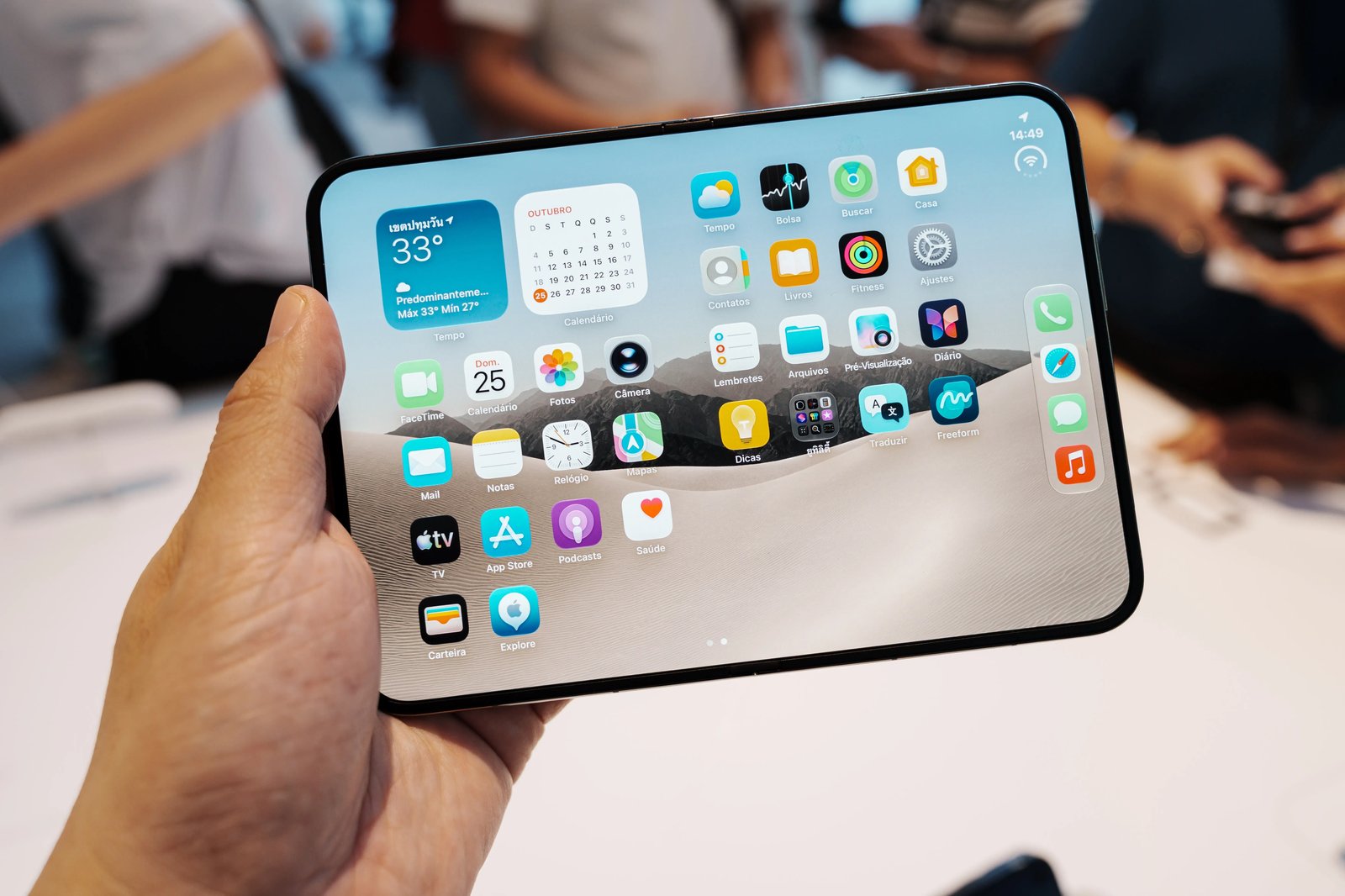
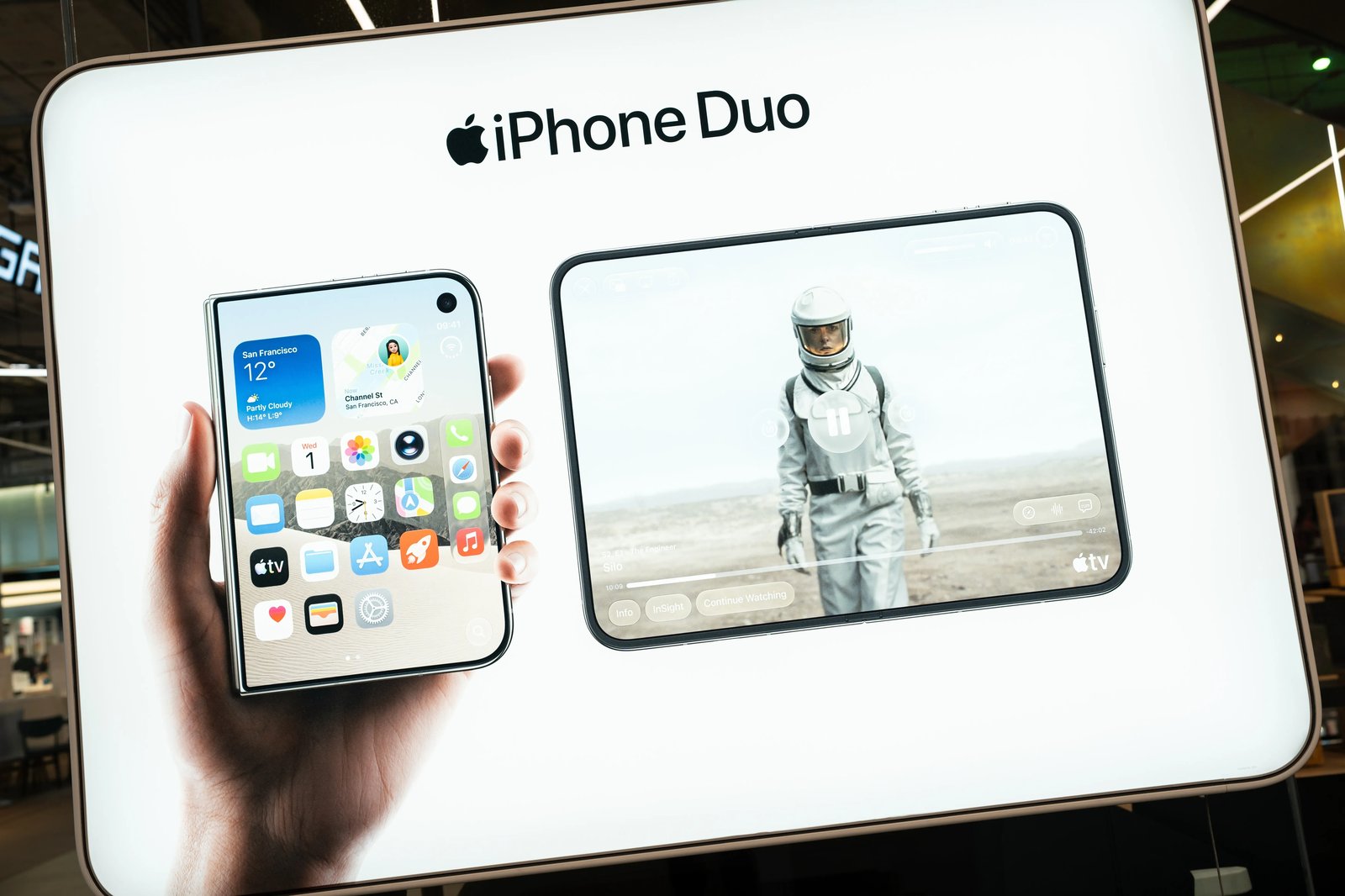
Folded, it's a 5.4-inch phone. Open it like a passport and you get a 7.6-inch screen, with two apps side by side.
Goodbye, Face ID
The catch is the face scan. The Duo has no Face ID at all. You unlock it with Touch ID, built into the side button, the way older iPhones worked.
The Action Button is gone too, and the volume buttons sit on top when the phone is folded.
The National's reviewer called it a "solid foldable debut" with a "relearning curve", mostly down to the missing Face ID. The good news: they registered four fingers, and found the crease nearly invisible.
Apple's CEO, John Ternus, isn't underselling it either.
iPhone Duo is the most transformational change to iPhone since the original.
John Ternus, Apple CEO
Thinner than any iPhone
Open, the Duo is just 5.2mm thick, the thinnest iPhone Apple has made. It weighs 254 grams, has a titanium frame, and a hinge made of more than 100 parts.
Inside is the A20 Pro chip and two batteries that work as one. Apple claims up to 44 hours of video playback, and The National's reviewer found it outlasted an iPhone 18 Pro over a full day.
On the back are three cameras, including a 48MP main camera and a 2x telephoto. The inner screen hides a camera underneath it for video calls.
Apple has moved things around for the bigger screen, too. Open it and you can run two apps side by side, or two windows of the same app, and save a pair of apps to open together.
It's eSIM-only, so there's no SIM tray, and it comes in two colours: star white and night sky. Apple Pencil support is coming later this year.
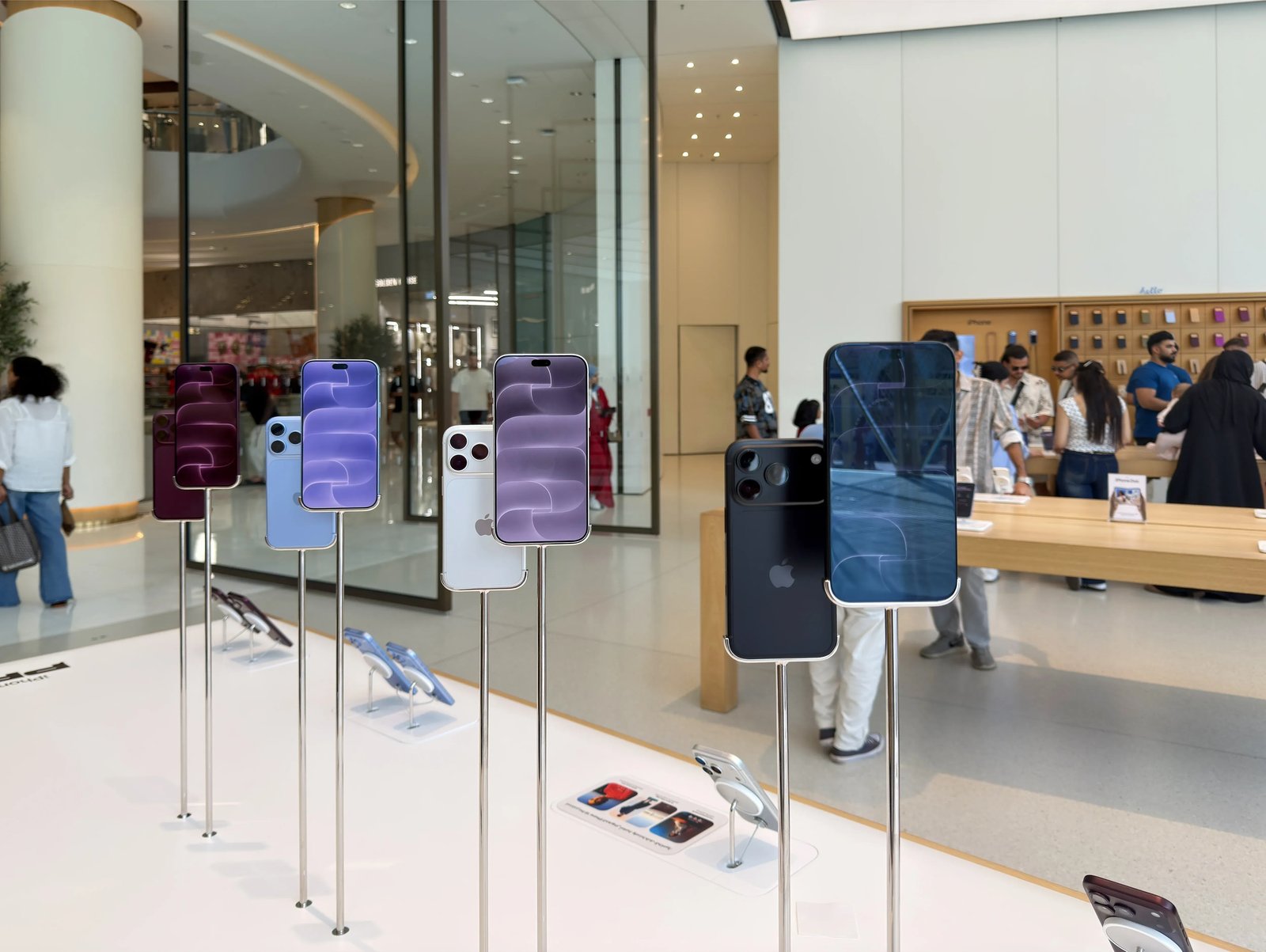
Demand has been strong. Shipping times were extended because of it, The National reported.
And then there's the price. At $1,999 it costs more than any other iPhone, and in Australia it starts at A$3,499. Apps that haven't been updated for the inner screen also show black bars down the sides, though The National's reviewer found nearly all theirs were ready.