Breaking IMAX Boundaries: The Struggles and Successes Behind 'The Odyssey'
- Jul 25, 2026
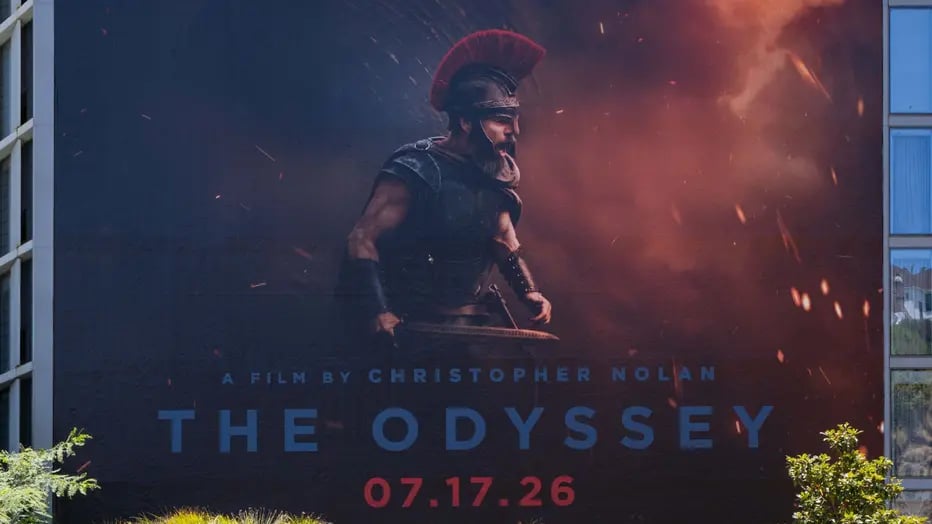
"The Odyssey," Christopher Nolan’s latest flick, isn’t just an immersive theater experience. Being the first film shot entirely on Imax cameras, its nationwide release is marking a moment in movie history. The cast, crew, and many industry voices believe it rightfully deserves to be shown in a true Imax 70mm format, but there's a snag: only 25 theaters across the U.S. can actually project the film in this true-to-its-nature format.
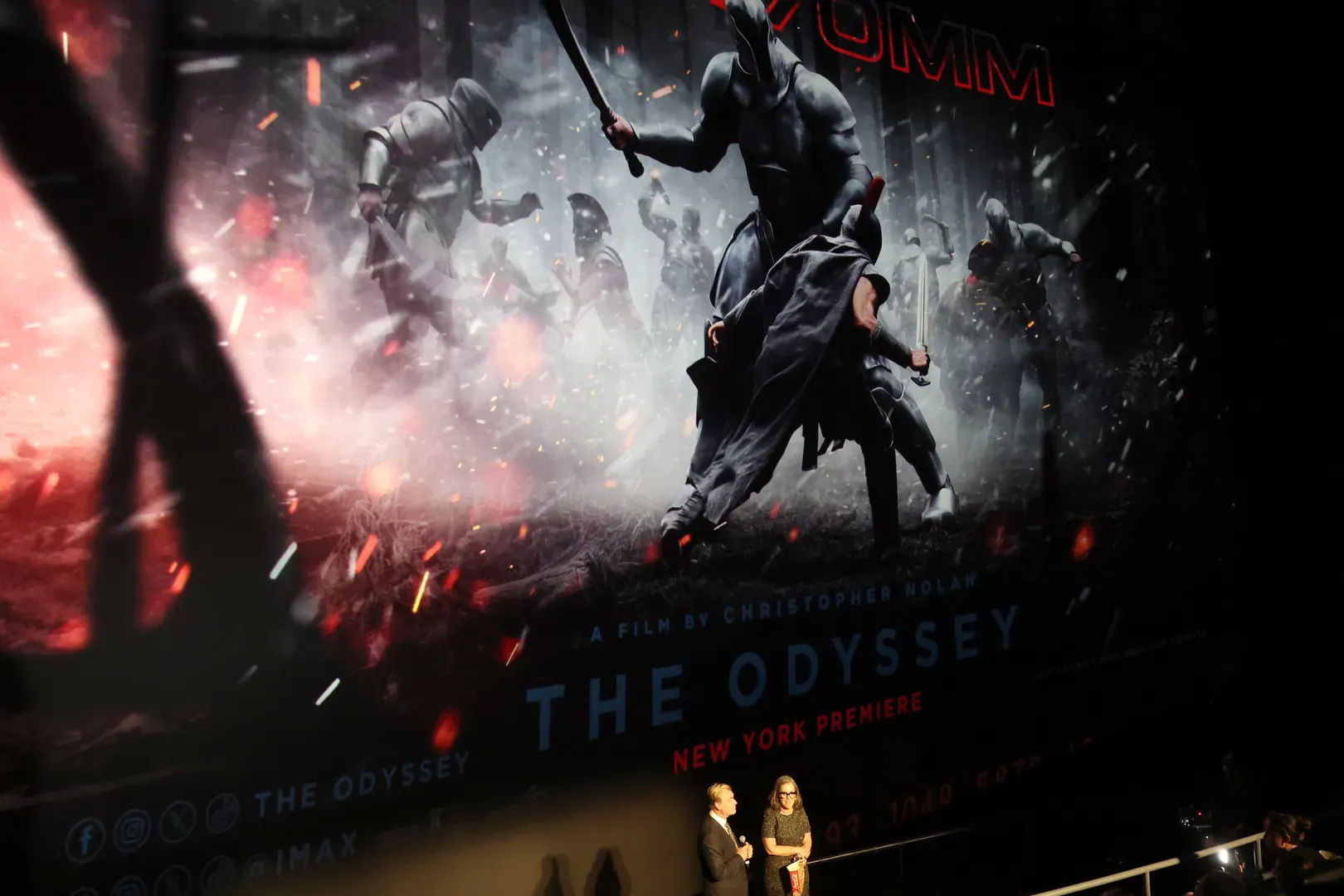
This slim supply of capable theaters has led to various lengths taken by viewers, from cross-country journeys to deferred major life events. The demand is evident, but Imax CEO Richard Gelfond explained on the premiere night of "The Odyssey" why a 70mm supply boom isn’t as straightforward as it seems. Imax film projectors haven't been produced anew for about half a century, leading to a process of retrofitting and rebuilding, but still limiting how many can be produced.
Industry insiders claim the components necessary for these bespoke projectors are simply unobtainable now. The original designs were produced nearly 50 years ago, but lack of proper maintenance has left Imax without a full manufacturing blueprint. This loss of knowledge coincided with the industry's transition from film to digital projection in the late 2000s.
Now, digital projectors are the standard due to their affordability and simpler maintenance. Film projectors and their replacement parts have ceased production, only regaining some interest due to filmmakers like Nolan and Denis Villeneuve who champion the format, though it remains a specialist interest.
Even in the back-drop of near-record box office success in 2023, thanks to Nolan’s “Oppenheimer,” expanding the number of 70mm film projectors proved a tricky task for Imax. Salvaging parts from abandoned projectors to install and refurbish additional ones became the go-to strategy, even necessitating the training of 60 new projectionists. But the scarcity of certain components and limited market size makes mass production a near impossibility. An increase of 11 locations around the globe was achieved despite these hurdles.
However, it's crucial to understand that Imax doesn't distribute films. The company's role revolves around designing and manufacturing cameras and projection systems, which they later sell or licence to exhibitors like AMC Theatres. The challenge with 70mm film projection expansion is the lack of theaters capable of housing the sizeable screens, due mainly to steep construction costs.
Even if more projector manufacturing became possible, their installation sites remain limited. Still, the company notes, there's a continual push to increase the number of projectors to serve the increasing desire of filmmakers who want this unique format.
In conclusion, the destiny of Imax 70mm is in the control of Hollywood's visionaries, who rally behind the technology and audiences who fill the seats for event films like “Dune: Part Three."