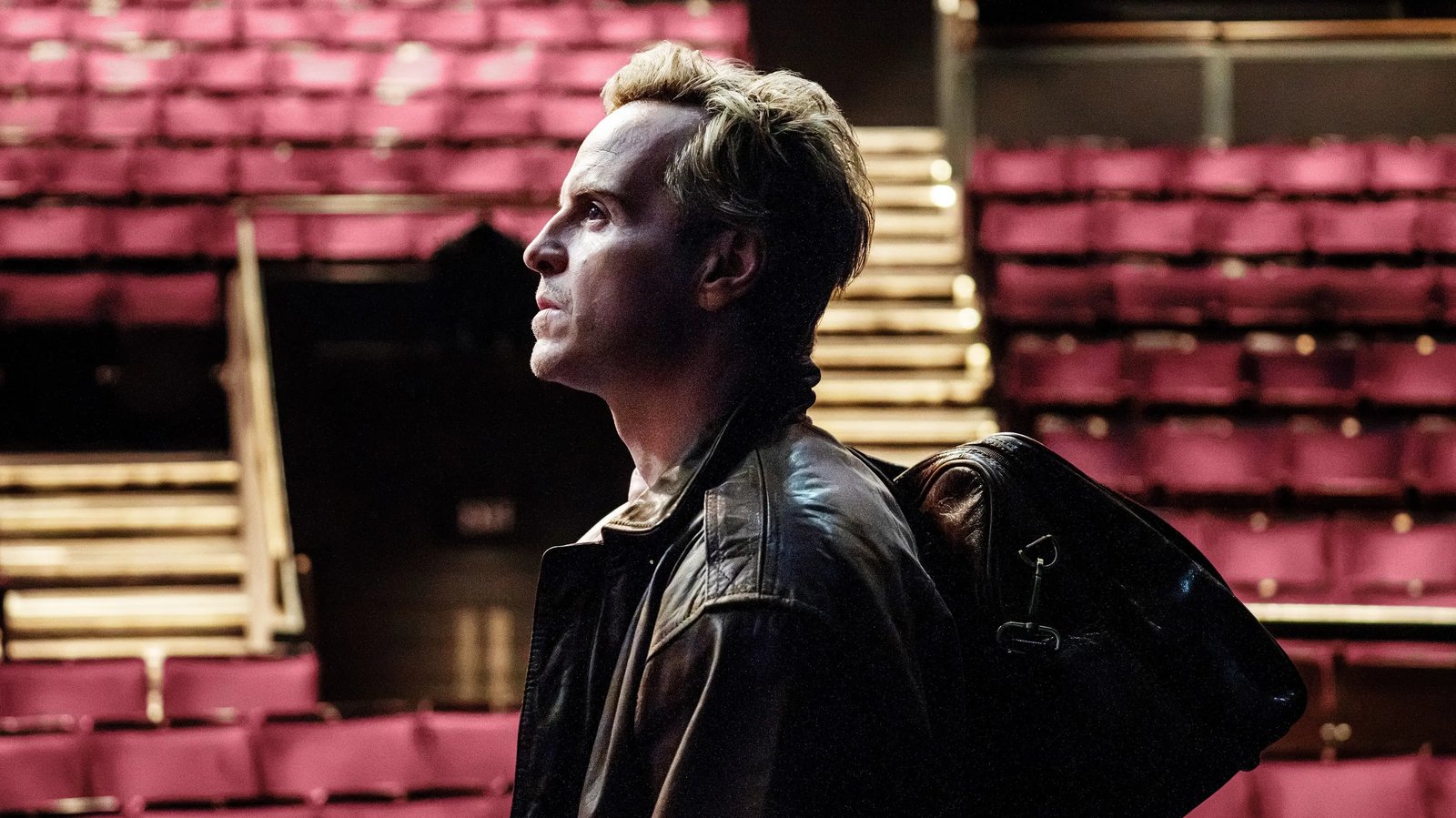
Elsinore review: Andrew Scott gives the performance of the year
- Nov 23, 2026
In 1989, a dying actor walked onto the National Theatre's stage and played Hamlet. Elsinore tells his story, and it gives Andrew Scott the role that could finally win him an Oscar.
The film itself is good rather than great. Director Simon Stone smothers its biggest moments in montage and swelling music. But Scott is so extraordinary as Ian Charleson that the flaws hardly matter. Our verdict: 7 out of 10.
Charleson was the star of Chariots of Fire, the Best Picture winner in which he played Olympic runner Eric Liddell. By 1989 he was quietly living with HIV, and when Daniel Day-Lewis walked off the National's Hamlet mid-performance, director Richard Eyre offered Charleson the part he had always wanted, just as the first lesion appeared on his face.
He told Eyre the truth, swore him to secrecy and took the role. His doctor warned him it could kill him. He played it anyway, for what the film says were 24 performances, and died in January 1990, aged 40.
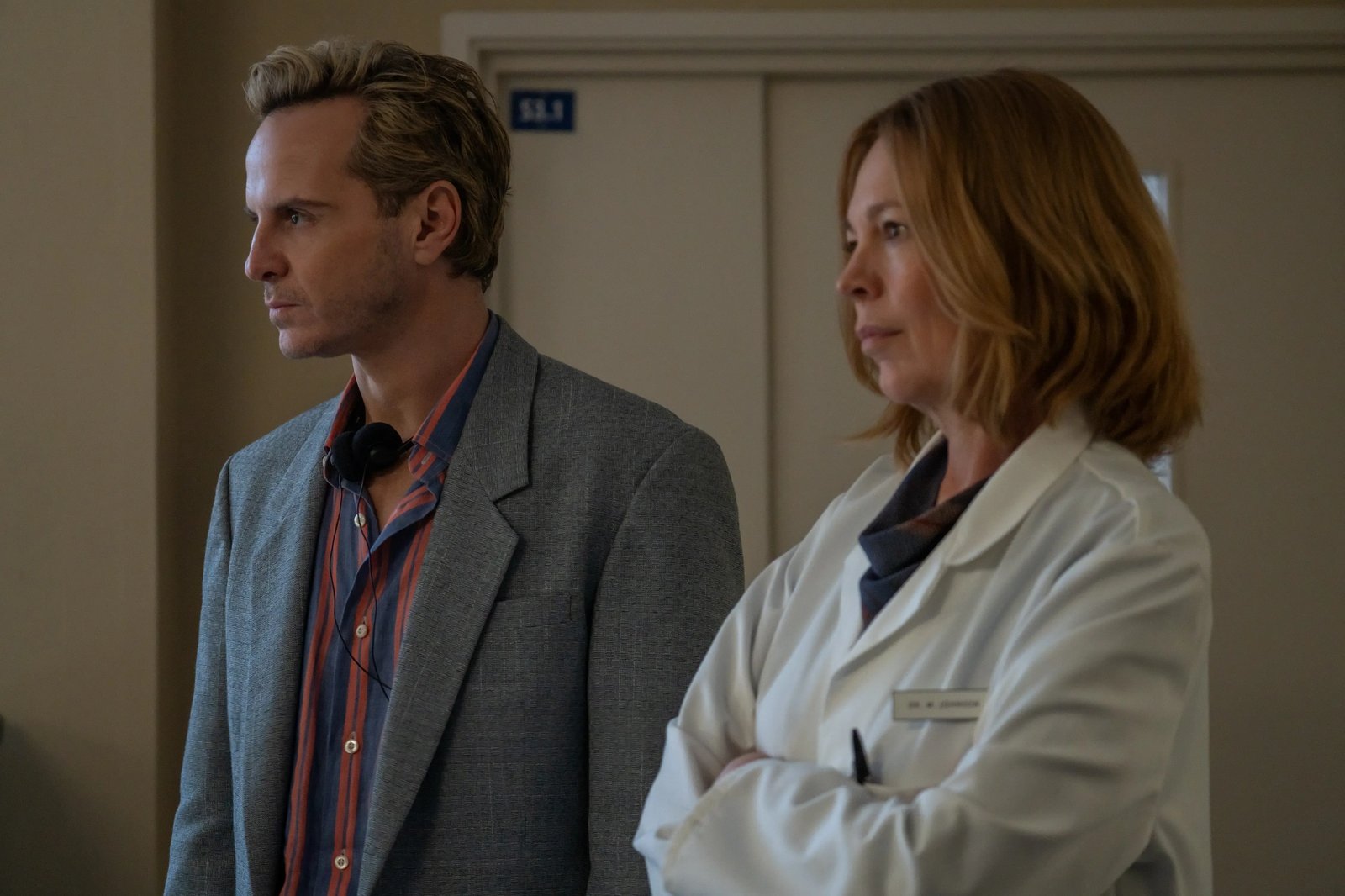
Stone, who directed The Dig, shoots from a script by Stephen Beresford, the writer of Pride. Olivia Colman plays Charleson's doctor, Margaret Johnson, and Billie Piper is his best friend, casting director Patsy Pollock. It opened in six US theaters on Nov. 20 to around $40,000 a screen, according to The Numbers, and expands over Thanksgiving.
| Site | Score |
|---|---|
| Rotten Tomatoes critics | 87% (93 reviews) |
| Rotten Tomatoes audience | Not yet rated |
| Metacritic | 74 (31 critics) |
| Rated | R |
| Runtime | 1 hr 51 min |
| Where to watch | In select US cinemas, expanding through December |
Checked Nov. 23, 2026.
The performance everyone is talking about
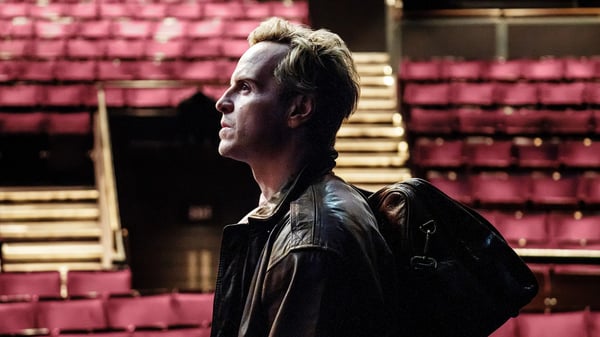
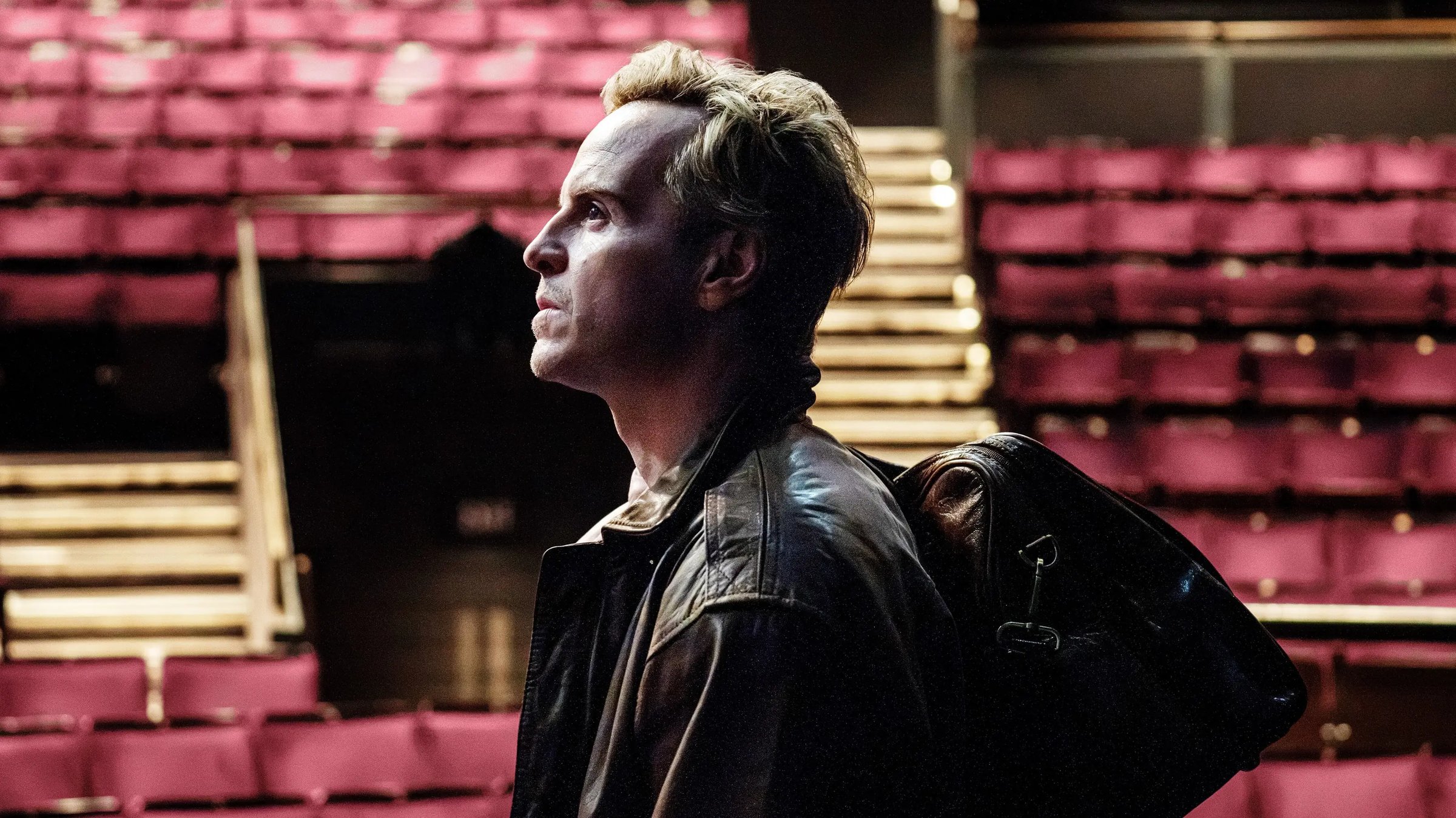
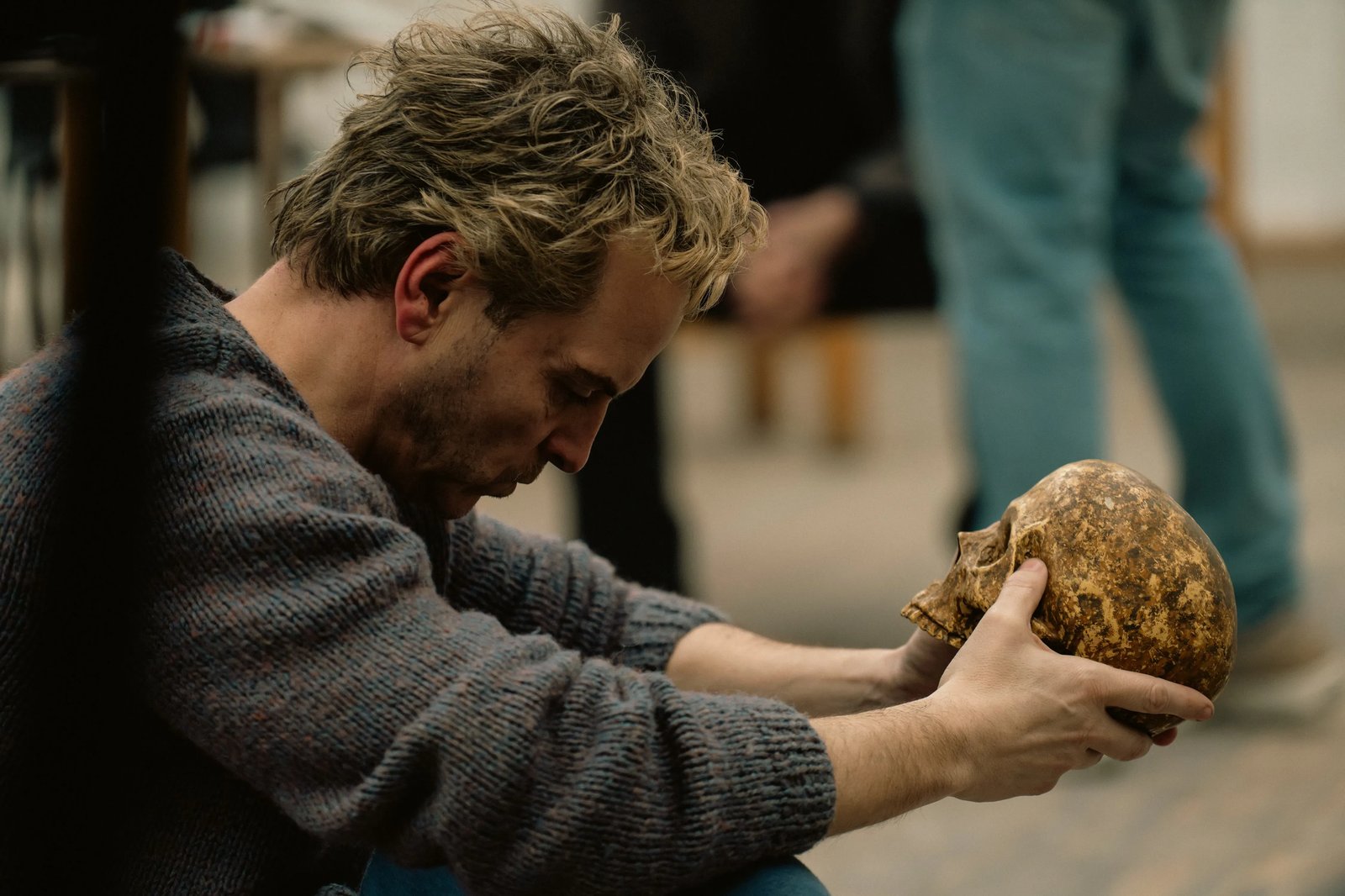
Scott, who looks remarkably like Charleson, carries every frame. He plays a man who is funny, vain, generous and terrified, often in the same scene, and he lets the illness show without ever asking for pity. Variety's Owen Gleiberman called it "an astonishingly layered and moving performance."
It's a role he understands from the inside. Scott played Hamlet himself at the Almeida in 2017, and he told TheWrap that "that part really does nearly kill you." He relearned about two-thirds of it for the film, and lost a lot of weight.
The awards talk started at the first screening. The Times' Kevin Maher wrote that Scott "has all but secured the best actor trophy," PinkNews reported, and the film leads this year's British Independent Film Awards with 12 nominations. Scott, who has never been nominated for an Oscar, calls the buzz "completely wild." He would be the first openly gay actor to win Best Actor, Good Morning America noted.
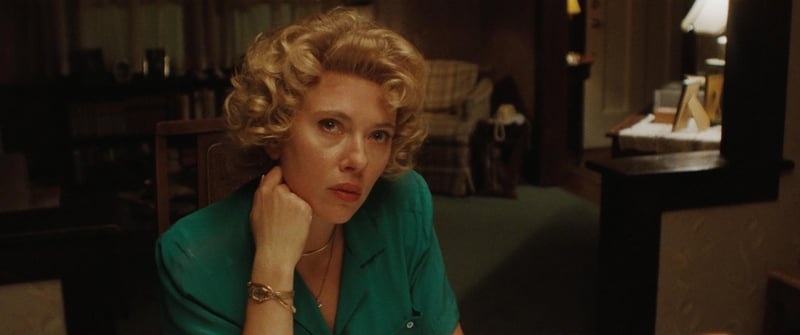
The supporting cast is strong. Colman, reunited with her Fleabag co-star, is brisk and quietly devastating as the doctor, and Piper, nominated by BIFA, is warm and funny as the friend who backs his decision to perform.
Then the montages take over
The trouble is how Stone tells it. He keeps the camera moving and cuts restlessly, and in the final act the film collapses into montage just when it should slow down.
Critics who loved it said so too. The Telegraph's Tim Robey (4 stars) wrote that Stone "reduces the last act into a mulch of iffy montages, leaving us yearning for proper scenes with the actors." IndieWire's Ryan Lattanzio gave it a C, complaining that every emotional beat "is churned into a frenzied montage of editing that won't let the material take a breath." The Hollywood Reporter's David Rooney thought the score pushed too hard.
The New Yorker's Justin Chang went further, writing that Hamlet itself is "reduced to a collage of high-flown sound bites, interrupted and sometimes drowned out by fits of coughing and retching." The film takes some liberties with the facts as well, The Hollywood Reporter and TheWrap noted.

Even so, it lands. Rooney warned that "many audiences will be wrecked by pretty much the entire second half of the movie," and The Guardian's Benjamin Lee said it is "a devastating movie," but one "peppered with the kind of black gallows humour that Charleson himself used to get through it all."
When it opened the London Film Festival, Scott brought the real Margaret Johnson on stage, and she got a standing ovation of her own, Screen Daily reported.
If you loved All of Us Strangers or The Dig, or you simply want to see an actor at the peak of his powers, see this in a cinema: it's rated R, runs 1 hour 51 minutes and is spreading to more cities through December. The film is uneven. The performance at its heart is not.