Exploring 'The Ballad of Judas Priest': A Revealing Look at Metal Gods
- Feb 26, 2026
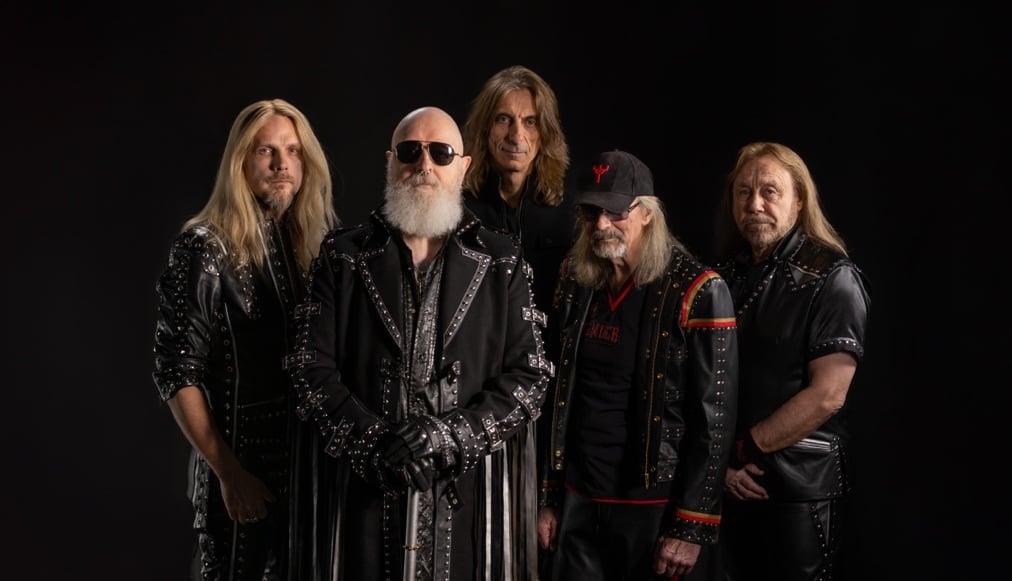
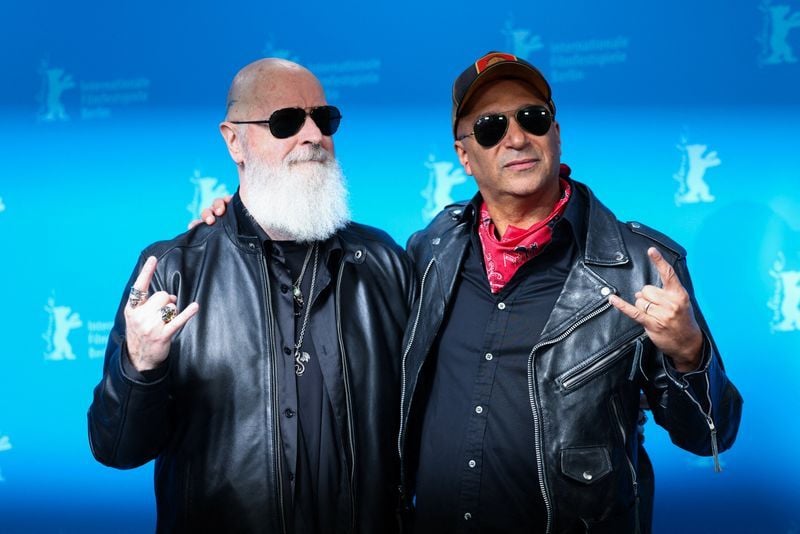
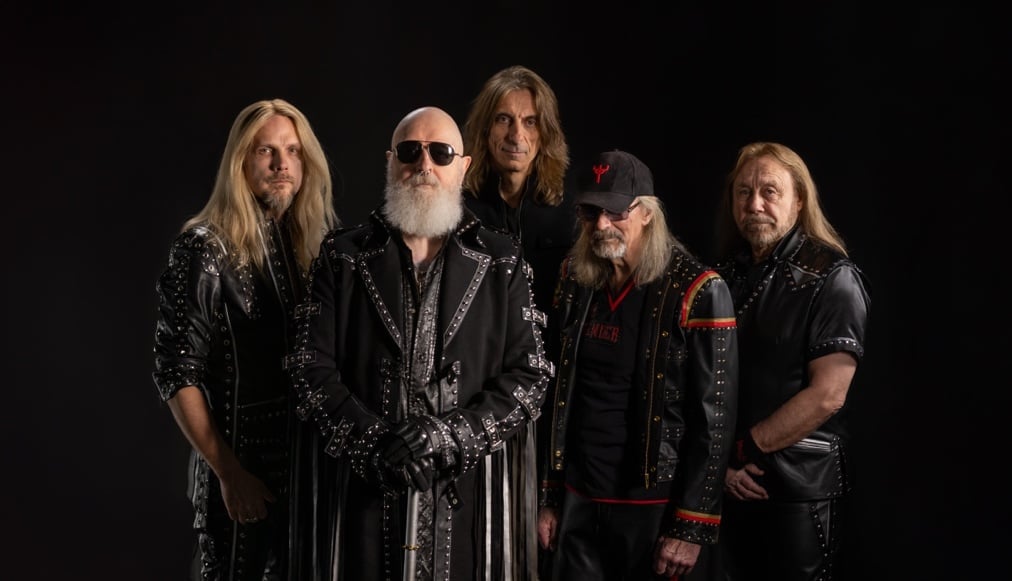
The documentary, 'The Ballad of Judas Priest,' co-directed by Sam Dunn and Tom Morello, gives an unexpected and insightful glimpse into the band's offstage lives. Going beyond the stereotypically dark and rebellious image of heavy metal artists, it delves into the band’s warm, approachable, and self-deprecating personalities, making them twice as relatable. This legendary band, dressed like biker gangs and accused of spreading subliminal death messages through their songs, are portrayed as the humble lads from Birmingham you would be comfortable introducing to your parents.
Not undermining their hard-work and talent, the documentary humanizes the band members, especially frontman Rob Halford, whose character is encapsulated perfectly in a scene where he orders fish and chips at a local restaurant. It reveals how the band never aimed to cultivate an offstage image to mirror their onstage bravado, making them very authentic.
The documentary doesn't shy away from discussing the struggles faced by Halford, who had to hide his sexuality in the alpha-male-dominated heavy metal sphere. It highlights the conflict between his personal life and roaring success, which led to alcoholism, and culminated in the outpouring of acceptance and love when he came out as gay in a 1998 interview.
Contributions from contemporaries like Ozzy Osbourne, Dave Grohl, and Kirk Hammett, coupled with the humorous yet pointed commentary from Tom Morello, provide profound insights into the band. The story also covers the contentious Satanic Panic period where heavy metal culture was feared and heavily criticized, culminating in Christian conservatives aiming a $6 million lawsuit against Judas Priest for alleged subliminal messaging in their music that supposedly caused two suicides. Nonetheless, the band came out unscathed, furthering the argument that metal helps misfits find their community.
'The Ballad of Judas Priest' is more of a celebratory tribute than a deep-dive into personal lives. It briefly touches on band disputes, line-up changes, and personal relationships while focusing more on the camaraderie among band members and their music. Even the significant blow of K.K. Downing leaving the band in 2011 or Glenn Tipton’s diagnosis with Parkinson’s disease is tackled delicately with respect and empathy. In all, it shows a cohesive band that survived various internal and external challenges over their career.