Fallout Season 2: A Confidence Game with Untapped Potential
- Dec 27, 2025
The second season of Fallout could be deemed as ambitious, presenting a myriad of subplots that challenge its audience to remain engaged. However, it loses momentum in its early episodes as the narrative jumps back and forth between present-day apocalyptic scenarios to pre-fallout backstories. This oscillation in narrative has created a diffusion of concepts, leaving characters in disjointed arcs and potentially reducing the season's urgency and engagement.
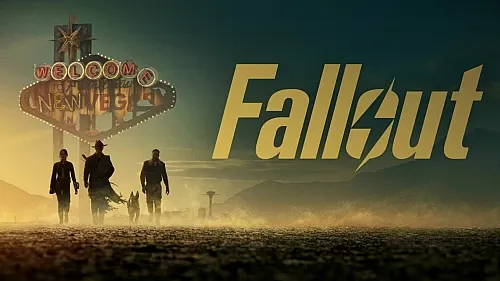
The plot revolves around Lucy (Ella Purnell) and Cooper Howard (Walton Goggins) journeying to Vegas in search of lost family members. This dynamic mirrors classic Western-influenced pop culture, featuring a mercenary anti-hero and naive companion wandering a barren wasteland, avoiding hostile creatures and factions.
Norm (Moises Arias), another character, finds himself in Vault 31, becoming a reluctant leader as he uncovers the true intent of the vaults' design. Although Maximus (Aaron Moten) appears to be a major character, his storyline feels underdeveloped, indicating a potential narrative power struggle.

In terms of new faces, Justin Theroux shines as Mr. House, a villainous figure intertwined with Cooper’s history and the post-apocalypse. However, the frequent flashbacks involving his character disrupt the flow of the narrative and divert focus from more intriguing arcs.
Despite some narrative inconsistencies, the second season of "Fallout" is by no means a failure. It presents a story about people contemplating their past and future in a post-apocalyptic world. The themes it presents and lore referenced from the video games present greater potential for narrative exploration in future seasons. Although the second season may seem a bit lost, continued support from fans might lead the series to a jackpot win.