"Spartacus: The House of Ashur" - A Fresh Take On A Beloved Series
- Dec 7, 2025
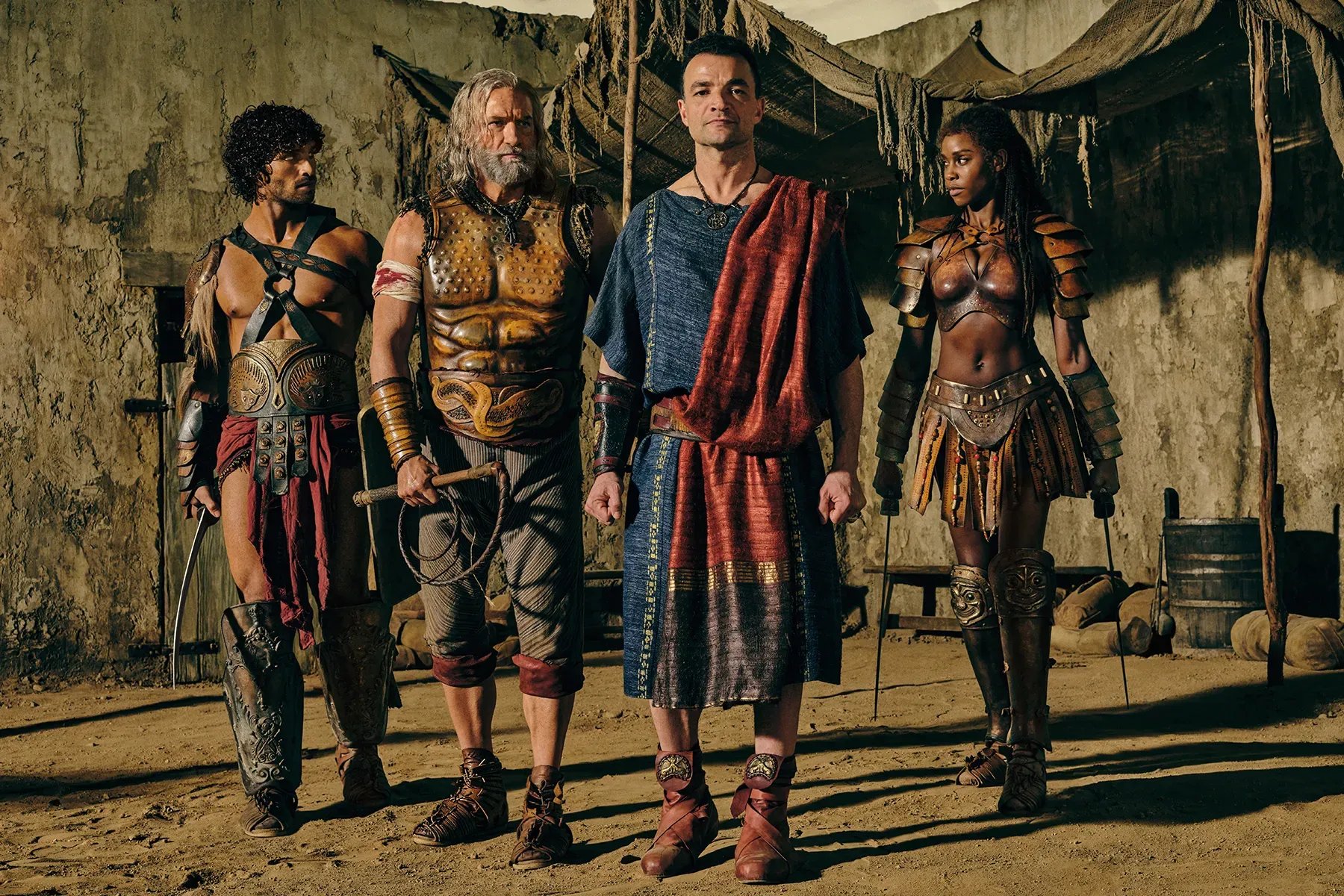
Twelve years after the grand and brutal finish of the legendary "Spartacus" on Starz, the first spin-off series, "Spartacus: The House of Ashur" has arrived. This is no normal prequel or sequel. Instead, this installment dwells on an alternate timeline where Spartacus, portrayed by Nick E. Tarabay, did not meet his end in Season 2. This twist, while unusual, is a necessary reimagining for a series where most original characters met a dreadful end. After viewing the first five episodes shared for critiquing, one cannot help but desire more such divergent spin-offs.
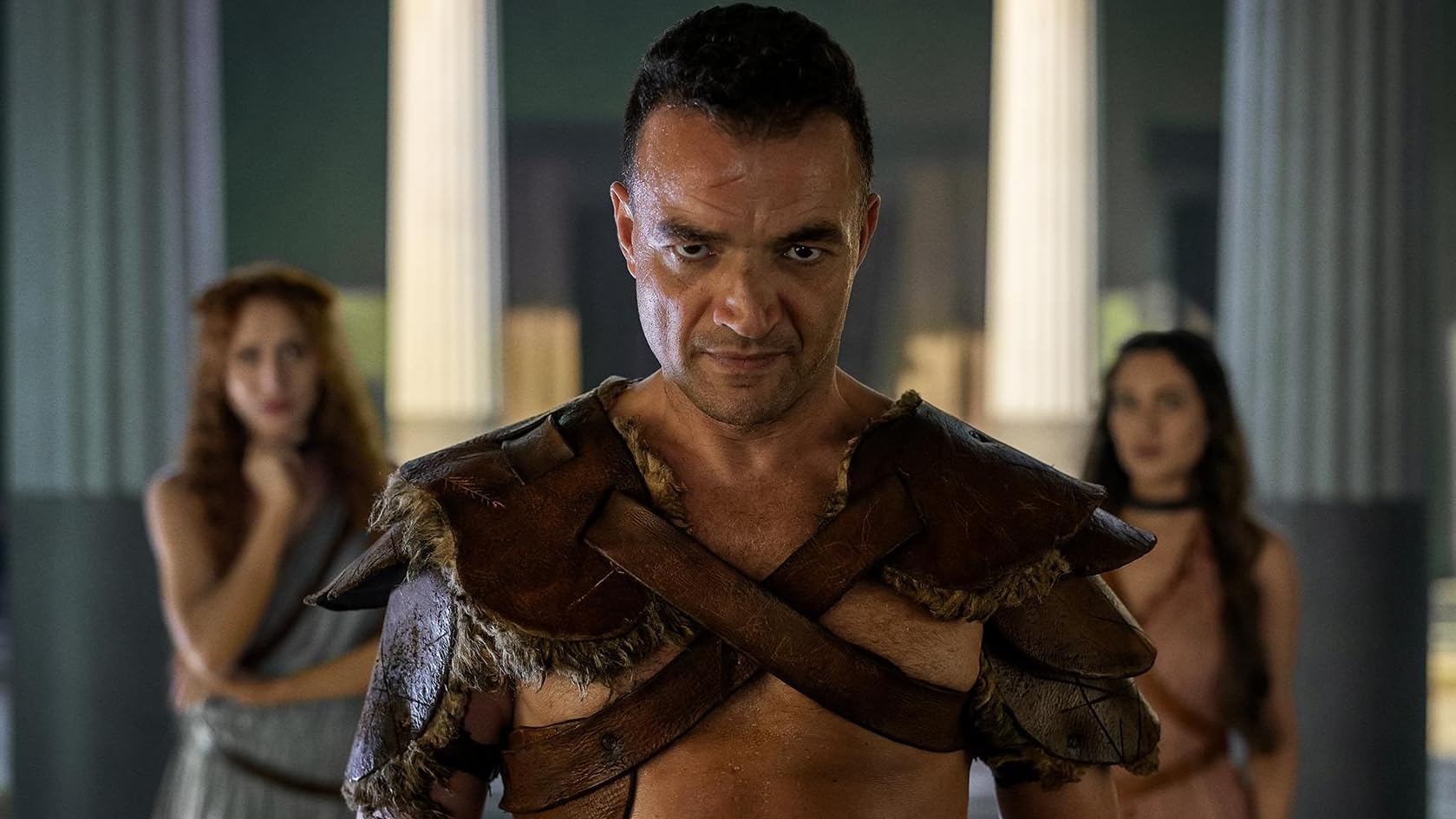
In "The House of Ashur", our titular character survives the Battle of Mount Vesuvius and becomes a key player in the downfall of the rebellion. It's revealed that Ashur was instrumental in Spartacus' (Andy Whitfield, Liam McIntyre) death, even delivering the fatal blow. Consequently, Ashur is no longer a slave, instead running the same ludus - a training school for gladiators - that once enslaved him.
However, his new position is tainted by his past reputation. His struggle to build a new legacy is met with disdain by the wealthy residents of Capua and his subpar gladiators provoke his frustration.
Following the death of his top gladiator, Ashur's interest is piqued by a woman, Achillia (Tenika Davis), who successfully defended herself against three Roman soldiers despite being chained. Inspired by her spirit and eager to establish his name in the arena, Ashur insists on her training with his gladiators. Yet, she faces harsh opposition from the men of the ludus, sparking not admiration but a deep-seated reluctance to accept her amongst them.
Nevertheless, Achillia demonstrates determination and resilience, training harder than any of her counterparts in hopes of earning her freedom. This unexpected storyline fuels the narrative and it becomes impossible for the audience to disengage from the developing plot.
Ashur, in this universe, seems more compassionate and understanding, a trait never previously associated with his character. His ultimate goal remains the same – the success of his house and the legacy of his name. However, he now values the people around him more, realizing that success mandates collaboration over cunning.
The duo of Tarabay and Davis commands the screen every time they are in the frame, creating a brilliant display of controlled emotions and revealing depths of their characters. They manage to develop an unexpected camaraderie, born out of shared hardships and societal marginalization. The spin-off series, much like the original, excels in the organic formation of relationships between unexpected characters, and nurtures an array of complex personalities that gives the show the feel of a brilliantly coordinated theatre of disarray.
"Spartacus: House of Ashur," upholds the precedent set by "Spartacus," of pioneering social commentary while offering an inclusive narrative that doesn’t shy away from sex and queer representation. This spin-off doesn’t falter in its quest to revive the essence of the original show – striving for conceived realism, amidst all the reimaginings and remakes that threaten to strangle originality. It stands proudly, not just as a tribute to its predecessor, but also as a worthy rival.