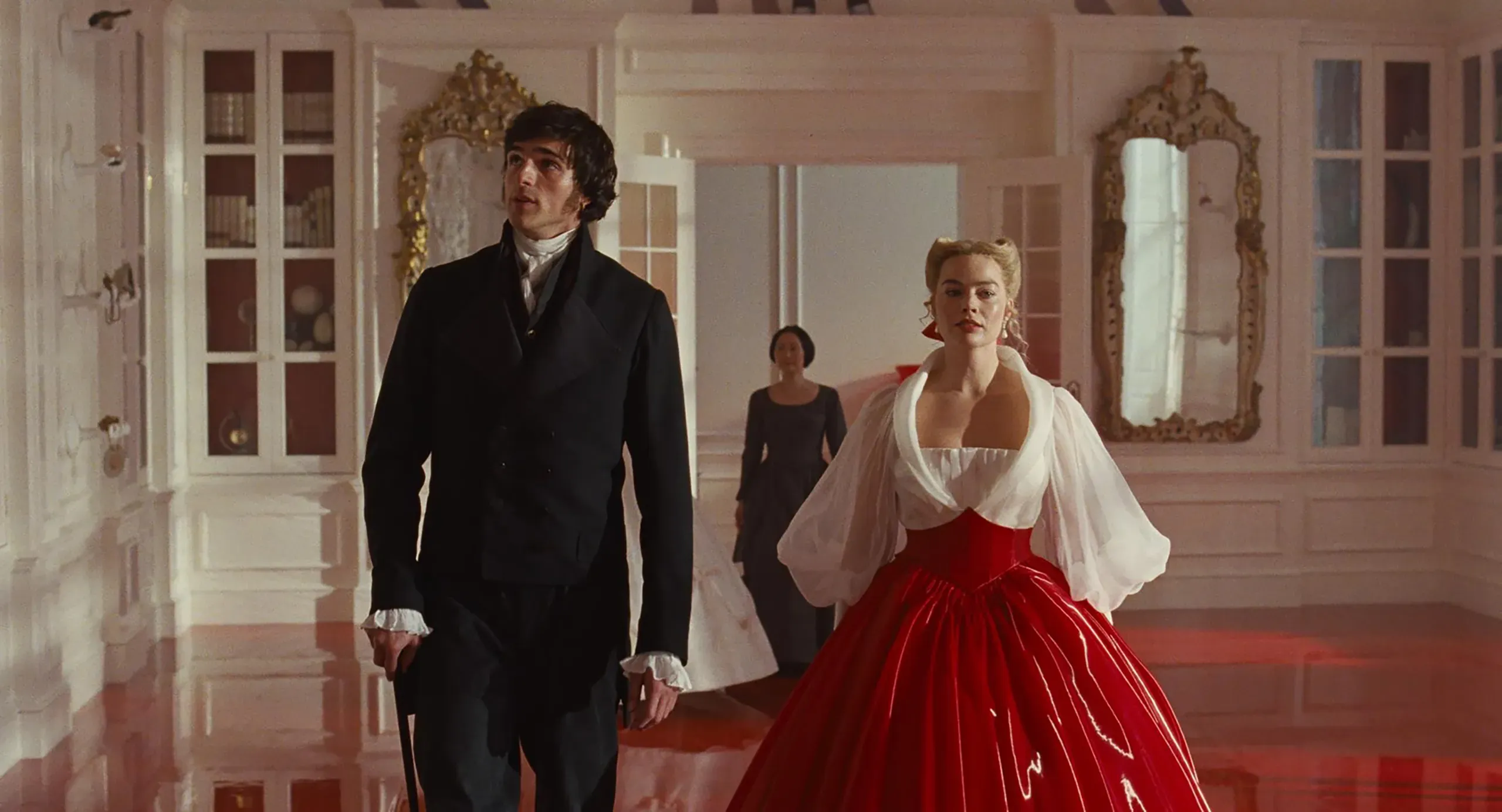
Unveiling the Passionate Undertones of "Wuthering Heights"
- Feb 15, 2026
A view into the ratings history of "Wuthering Heights" by the Motion Picture Academy shows a distinctive change in the approach to Emily Brontë’s novel on-screen over the years. From the 1970 version that had an all-audiences-friendly G rating, to a more adult theme with a PG-13 rating in the made-for-MTV 2003 adaptation, and now to the Emerald Fennell's mature reinvention, which justifiably earns an R rating.
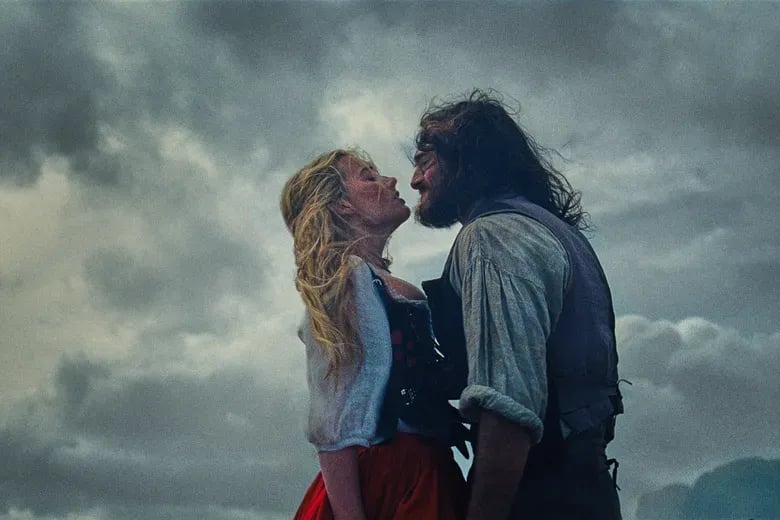
Although literary purists might be resistant, Fennell capitalizes on the inherent passion in the material that was always present but never explicitly presented, thereby highlighting the physical desire and psychological power plays between Catherine Earnshaw (played by Margot Robbie) and Heathcliff (Jacob Elordi). This version of “Wuthering Heights” is not the film adaptation you would have seen in high school literature class. Fennell's interpretation is daring and captivating, with instances of bondage that offer an unexpected erotic element.
However, this shouldn't just be seen as provocative but also a foreshadowing of events. Fennell delivers an iconoclastic treatment of the characters that students of literature would find intriguing. Her approach bears a resemblance to Emily Brontë’s sister Charlotte’s works, and can be seen as a sophisticated fan fiction that explores the themes beyond politeness and repression. The exploration of the sensual, coupled with a hint of taboo, creates an intriguing dynamic which stands out amidst previous renditions.
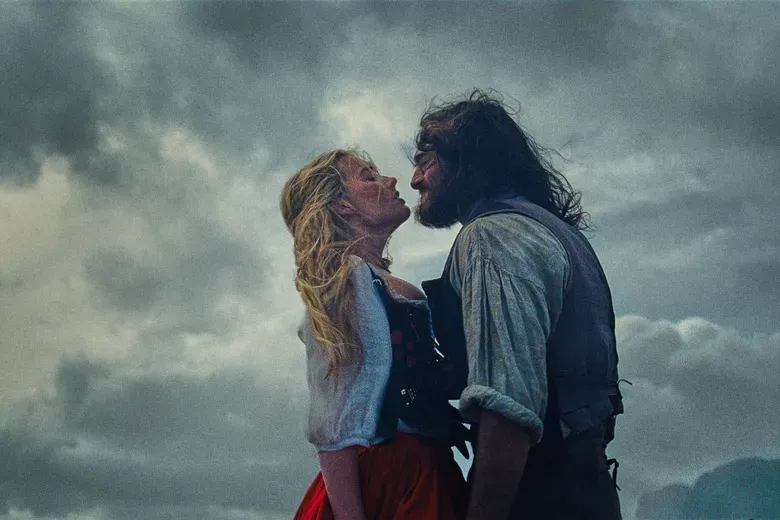
Emerald Fennell has breathed new life into the story, creating a layered perspective that goes beyond the stifling norms of Victorian times to cast the story in a more contemporary, yet gothic light. Each scene contributes to the unfolding drama and the characters are allowed to explore their desires beyond literary confines. Fennell has excised the second half of the novel while emphasizing much of the unspoken desire in the story.
The role of Heathcliff, a figure of intrigue in Victorian literature, finds fresh interpretation, pivoting away from the purely diabolic representation in Bronte's novel. The deconstruction of the character dynamics opens up new explorations of character motivations and desires, breaking old stereotypes and pushing forward a story that was once idolized as a romantic fantasy into an intimate exploration of human relationships. In Fennell's hands, it becomes an erotic fantasy as well, taking a bold step towards uncharted territories in the cinematics of "Wuthering Heights".