"Wuthering Heights": Reimagining Classics through the Art of Production Design
- Feb 17, 2026
Excited to collaborate with director Emerald Fennell, Suzie Davies, production designer for the film adaptation of "Wuthering Heights", infused her period drama expertise into the creation of a multi-dimensional world that echoed Fennell's teenage interpretation of the classic literature. Utilizing sound stages and directing the narrative through Fennell’s youthful lens, Davies embarked on a creative journey to construct everything from Wuthering Heights to the grand Thrushcross Grange, and even a doll’s house.
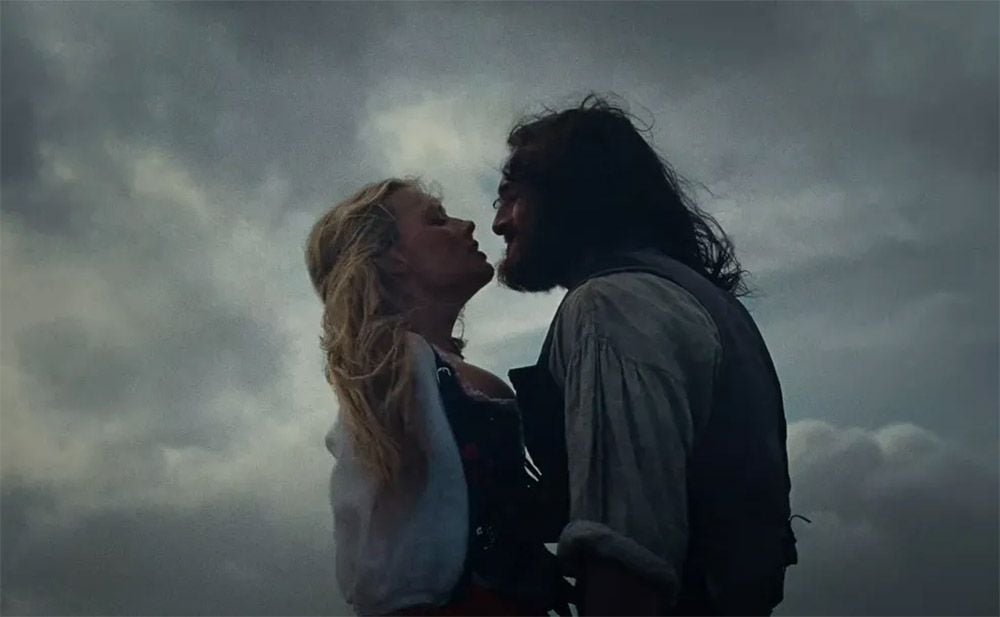
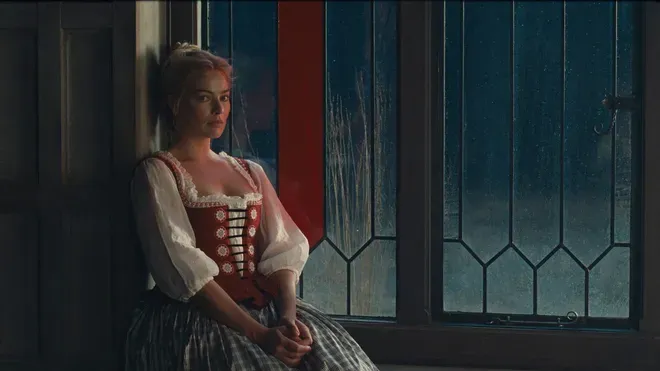
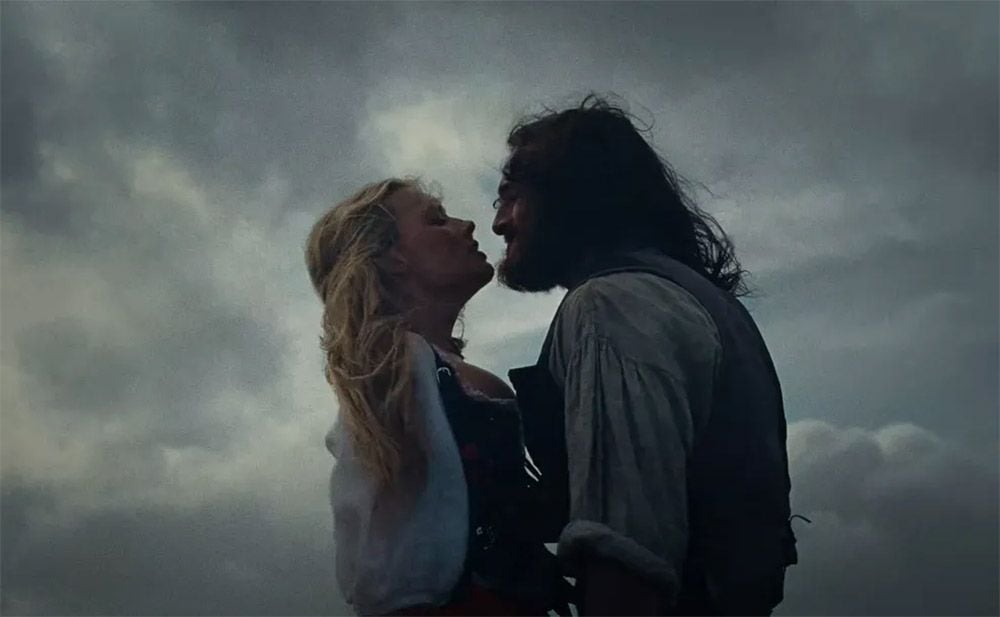
To recreate Wuthering Heights set in Yorkshire, Davies played with muted, bruise-like colors and brutalist aesthetics. She incorporated elements such as a rock-enclosed courtyard and gothic-inspired architecture. Emphasizing practical effects, she constructed a two-foot high drainage system beneath the set, incorporating rain rigs and tanks for the desired moist look.
Finding inspiration in a brutal structure atop an abandoned quarry in Northern Wales, Davies sought to capture its essence, drawing parallels to the Yorkshire scale through the use of wet and shiny tiles. She used modern materials traditionally and traditional ones unconventionally, destabilizing viewer comfort.
The skin room, fashioned as Cathy's bedroom, marked a particularly unsettling moment. Davies utilized latex imbued with prints of veins and skin to cover the walls, intensifying discomfort.
The appearance of hands throughout the set, either as casts of the art department's hands in ceiling roses or shadow puppets, served to add to the uneasy atmosphere.
The Mattes and Miniatures crew built a 1/12th scale version of the Grange, with real trees and real flowers to enhance authenticity. Davies oversaw the inverting of her typical design process by constructing the model before the lifesize set.
At Thrushcross Grange, Davies and Fennell ensured every aspect appeared ordered and symmetrical while maintaining a polished appearance. When Cathy falls ill, the artificial skin projections start dripping, as if sweating, alongside contemporary, plastic spheres that were stuck onto the walls.
To reflect Earnshaw's alcoholism, Davies built a tower of wine bottles, which, illuminated by cinematographer Linus Sandgren's expert lighting, amplified the melancholic aura of the scene. This maximalist representation remained central to Fennell's artistic vision throughout the film.