Delving into Kiyoshi Kurosawa's Genre-Bending Feudal Thriller 'The Samurai and The Prisoner'
- May 31, 2026
Kiyoshi Kurosawa, a pioneering Japanese genre director, adds another feather to his cap with his latest film, 'The Samurai and The Prisoner' (Kokurojo). Best known for his eerie and groundbreaking J-horror works like 'Cure', 'Pulse', and 'Loft', Kurosawa's repertoire also includes psychological thrillers, serial killer films, science-fiction, and drama. With 'The Samurai and The Prisoner', he delves into the historical mystery genre, narrating a familiar yet differently spun tale drawn from 16th-century Japan's tumultuous past.
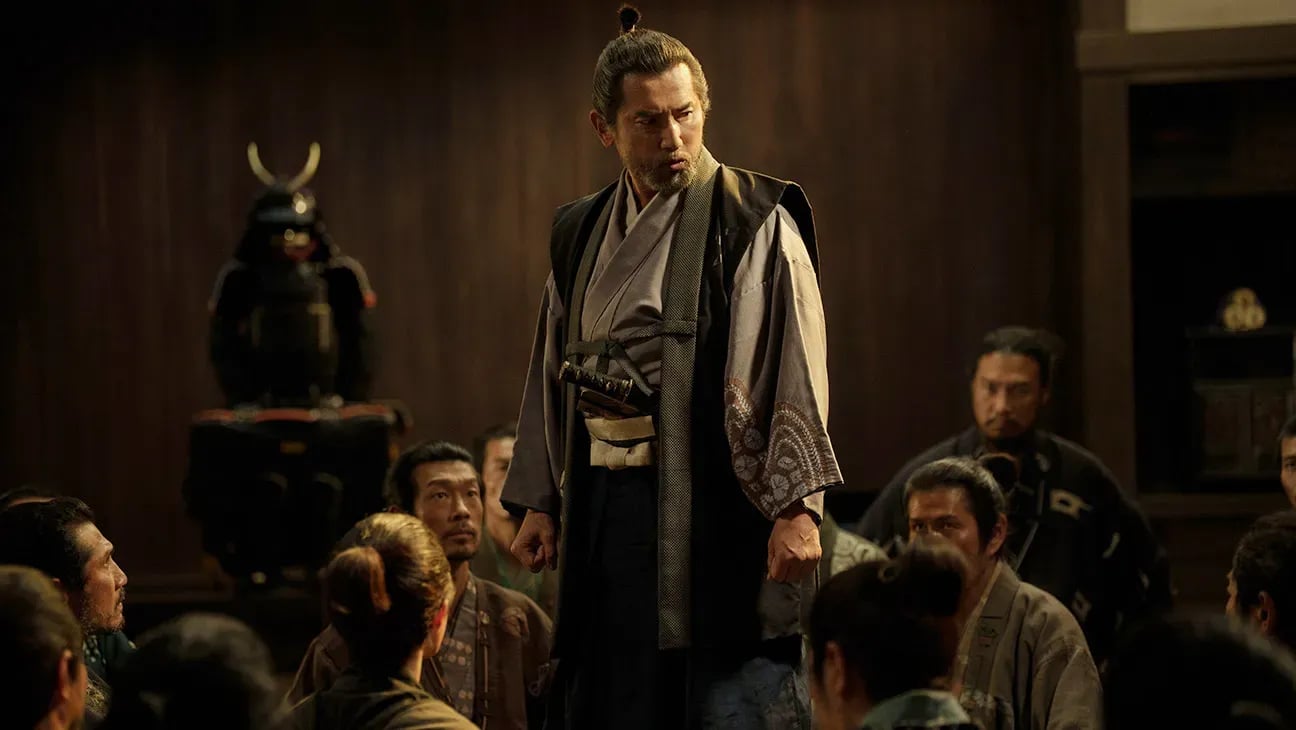
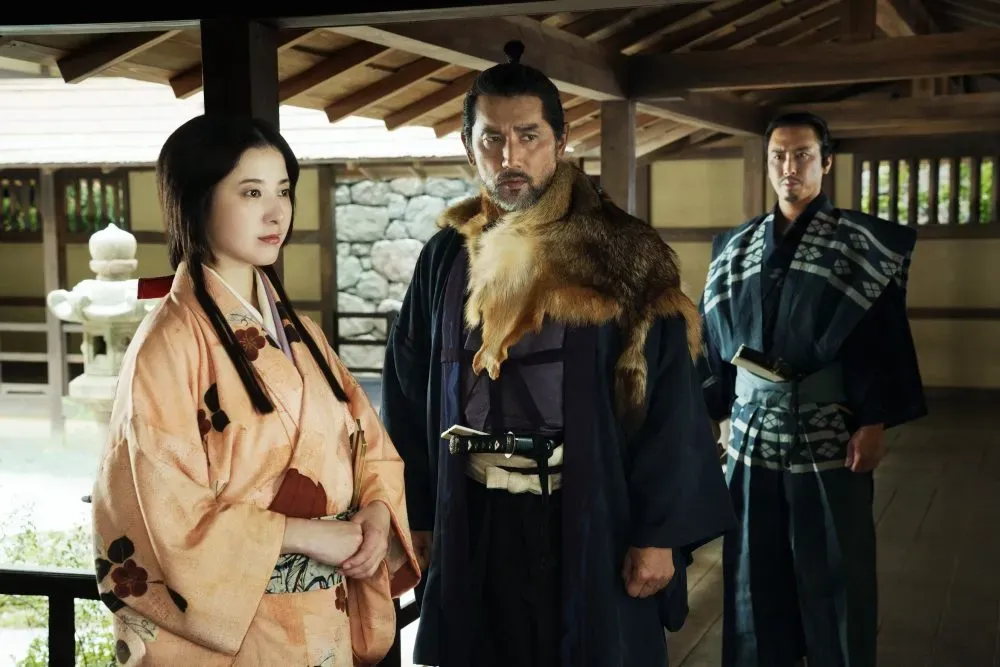
The film's storyline, based on Honobu Yonezawa's award-winning 2021 novel, revolves around Lord Murashige Araki (Masahiro Motoki), who betrays Nobunaga Oda (Bando Shingo), the 'great unifier' of Japan, typically depicted as an act of treachery and cowardice. Kurosawa, however, revolutionizes the narrative, offering a fresh take on Murashige's stand against Nobunaga, transforming it into four interconnected mysteries, each mapped to a single season.
Kurosawa's version of Murashige is not a traditional warrior but a character deeply immersed in a sea of conflict and intrigue. A notable addition is Kanbei Kuroda (Masaki Suda), a faithful Nobunaga lieutenant who finds himself confined to the castle, acting as a wary aide-de-camp to Murashige, filling the plot with anticipation for twists and turns that echo the footprints of Agatha Christie-styled whodunits.
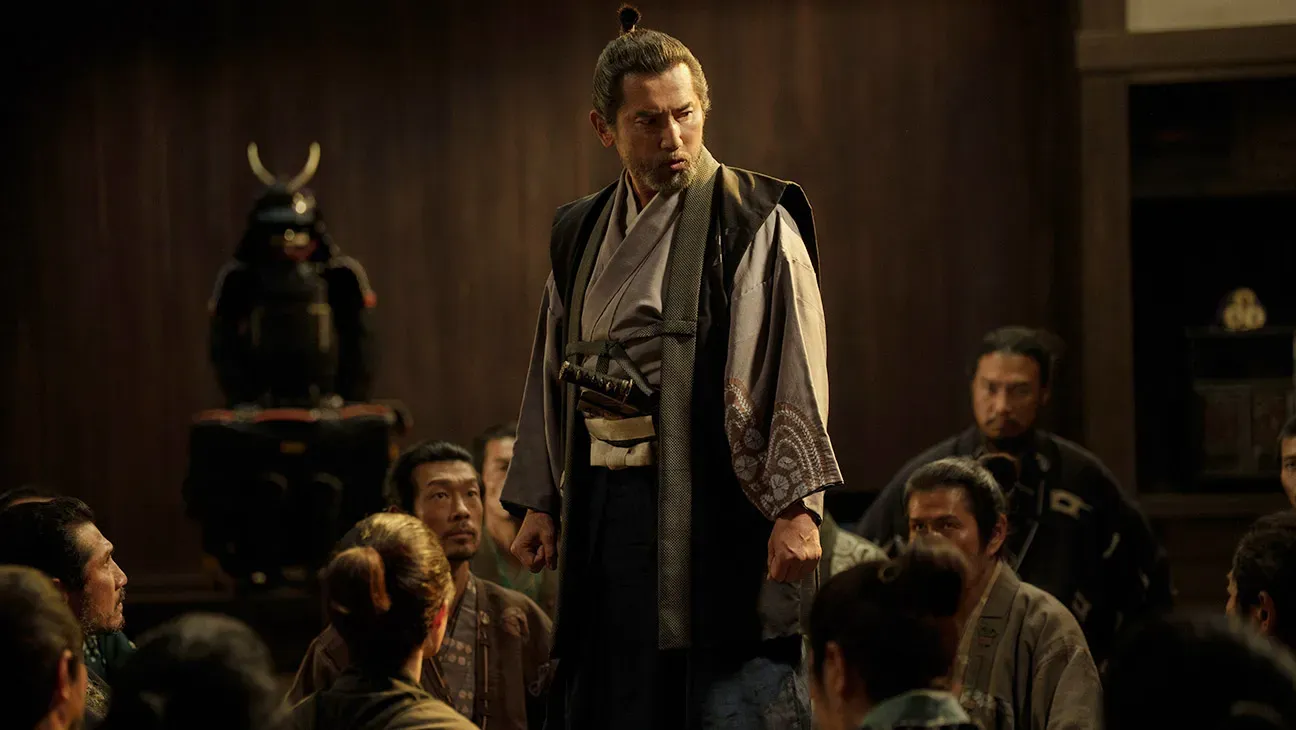
While the film's setup promises an action-filled clash of swords and a battle of wits, Kurosawa's take is comparatively non-violent and reflective. Instead of bloody battles, the narrative is a dialogue-heavy drama that explores the hearts and minds of its characters, with Murashige embracing a moral philosophy that rejects the traditionally violent path of samurais.
Kurosawa raises challenging questions about the nature of conflict and violence, using a classic historical narrative as his canvas. The result is a sumptuously scarfed murder mystery questioning its own underpinnings and a pointed reflection on a legendary character's wise choice to abstain from war rather than perpetuating it. This is a subtly subversive but masterfully contained film that reinterprets a traditional samurai narrative and redefines it by its eschewing of violence.