'The Black Ball': A Poignant Exploration of Gay History Across Eras
- Jun 6, 2026
'The Black Ball', a film directed by the Spanish duo Javier Calvo and Javier Ambrossi, traces the inner lives of gay men in Spain across different generations. The narrative navigates the labyrinths of their lives in 1932, 1937 and 2017. Taking inspiration from Federico García Lorca's unfinished work, the multidirectional storyline fuses the real and imagined to shed light on the suppressed experiences of gay men. The film is ambitious in its aim to resurrect the forgotten and often ignored histories of these men.
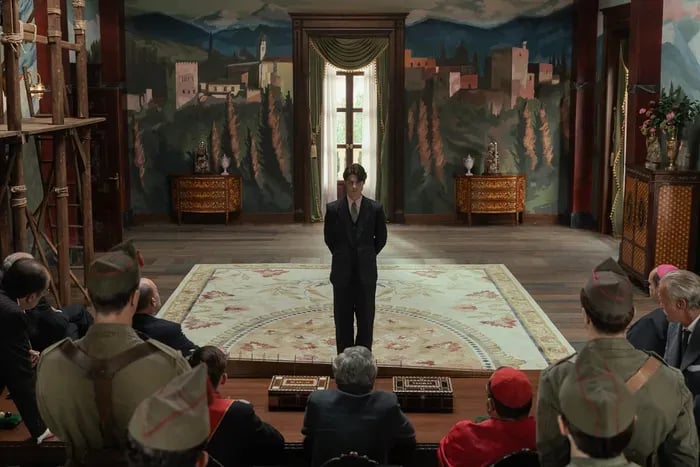
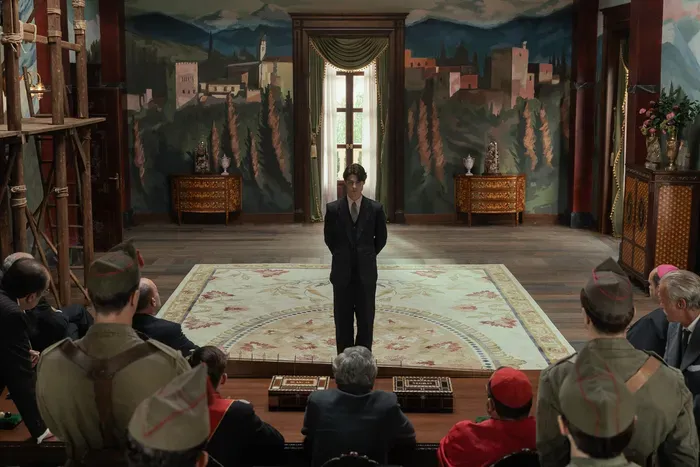
The title 'The Black Ball' refers to Lorca's unfinished work where a young, closeted man from an affluent Granada family tries to join a local high-end casino but gets rejected due to suspicions about his homosexuality. The film subplots, however, follow their own narrative, only loosely following Lorca's work.
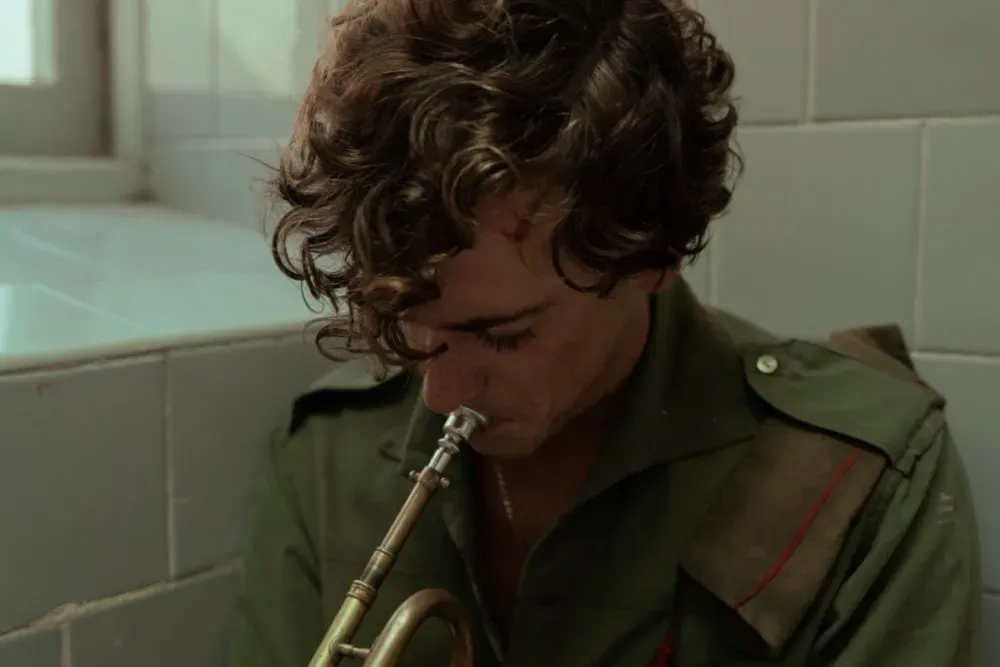
Set in 1932, it involves Carlos, a character inspired by Lorca's tale and shows the untold conjectures of his ordeal post Lorca's death during the Spanish Civil War. The film's main narrative is set in 1937 focusing on Sebastián, a rural Republican trumpeter, who survives the war by joining the Nationalist army. He befriends Rafael Rodríguez Rapún, Lorca’s real-life lover and soldier. This bond brings out Sebastián’s journey of accepting his own sexual orientation.
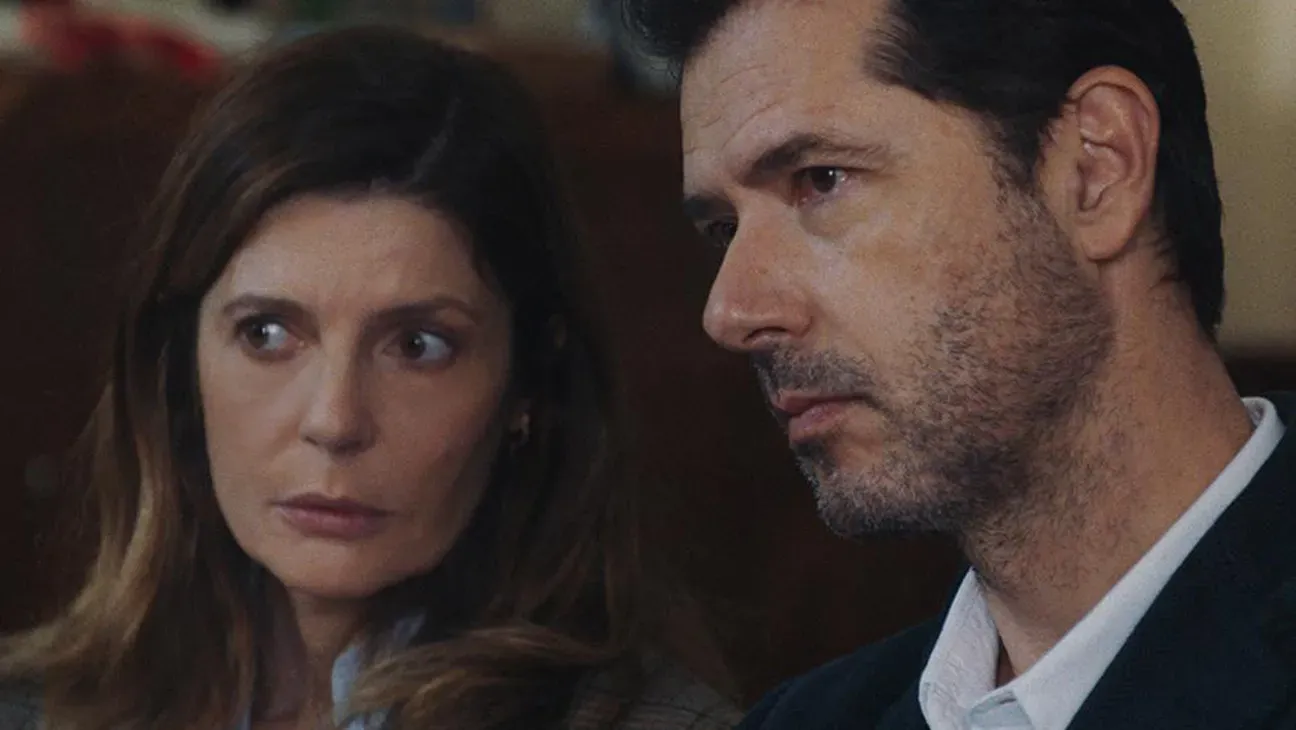
Parallelly, the film showcases the life of Alberto, a historian from 2017, who lives openly as a gay man but struggles with his familial relationships and encounters a surprising revelation about his family’s queer lineage.
Though the film at times feels heavily dramatic, it makes earnest attempts to bridge the disconnect between generations of gay men whose stories are often lost due to societal prejudice or ignorance. It also features cameo appearances of Glenn Close as an American Lorca scholar and Penélope Cruz as a wartime showgirl offering support.
The film though seemingly unassuming, is a powerful exploration of queer legacies and the struggles accompanying them. It may lack subtlety but its intenseness echoes the untold stories of several queer predecessors who lived their lives in secrecy. The poignant film not only highlights these silenced voices but also pays a fitting tribute to them.