The Dutchman: A Cinematic Reinterpretation of Amiri Baraka's Seminal Play
- Jan 6, 2026
In "The Dutchman," Clay, played by André Holland, experiences a fateful night in the whirlpool of New York City, a night that could alter his life irrevocably. He's given advice to learn from those who came before him, so his destiny may veer off a different path. This hints at the new adaptation of Amiri Baraka’s renowned 1964 play, "Dutchman," and its quest to offer an alternative, current representation of its crucial themes of race and Black identity. Despite incorporating contemporary elements and setting it in today's times, the film's rendition of the play’s core themes remains ambiguous, apparently held back by director Andre Gaines' reverence for the original text.
The film, which Gaines co-wrote with Qasim Basir, starts with a marriage counselling session. Clay, a successful Black businessman, is grappling with his wife Kaya's (Zazie Beetz) infidelity, but struggles to confront his own feelings. The therapist (Stephen McKinley Henderson), encourages him to be more receptive towards his wife. Strains run high within the couple, yet their bond and affection are hard to miss. Their journey isn't towards separation; instead, they are trying to comprehend each other's needs better.
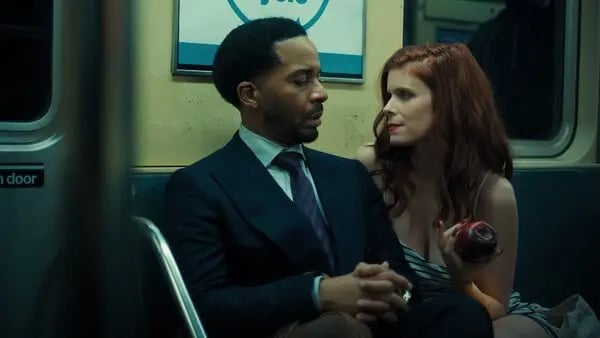
As Clay travels to a Harlem fundraiser for a political aspirant friend, he meets a mysterious white woman, Lula (Kate Mara), on the train. Right from their first interaction, Lula oscillates between luring and terrifying Clay. At the party, she aims to disrupt Clay's relationships with his wife, friends and community despite her motivations remaining unexplained.
In Baraka’s original play, Clay and Lula were symbolic of Black assimilation and white supremacy respectively. Gaines and Basir enhance Clay's character development while Lula's character remains one-dimensional, creating an imbalance within the narrative.

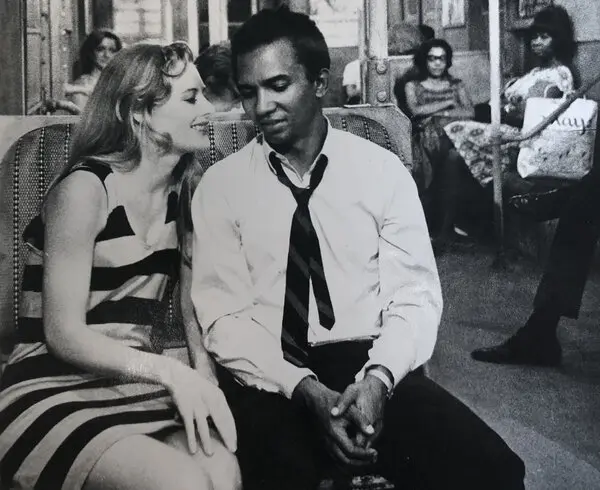
While the original play unfolded on a subway train, Gaines' adaptation expands the setting into the wider social canvas of New York City, emphasizing that the characters' interaction is rooted in the city's violence. Oddly, the film references the text of “Dutchman” multiple times through different methods, adding to the narrative an element of familiarity and suggesting every Black man in America possibly undergoes a similar experience to Clay's.
The updated version sticks faithfully to the intellectual roots of the play without injecting much emotivity into the narrative, perhaps pointing out the ongoing struggle of contemporary African American men in negotiating their identities and dealing with societal perceptions.
Holland's performance lends remarkable nuance to a role embodying potent themes of his race and nationality, making it a vital viewing experience. In his final speech, he masks his character's intense rage with biting sarcasm, wrapping up the film with the climactic ending it has been paced towards, albeit not entirely justified.
"The Dutchman" treads a fine line between honoring the original and reimagining it. Despite its thought-provoking nature and potential for stirring conversations, the film arguably does not fully commit to its reinterpretation, thereby holding back the emotional punch that could have accentuated its relevance.