You Can See Everything review: the most unsettling film of the year
- Nov 1, 2026
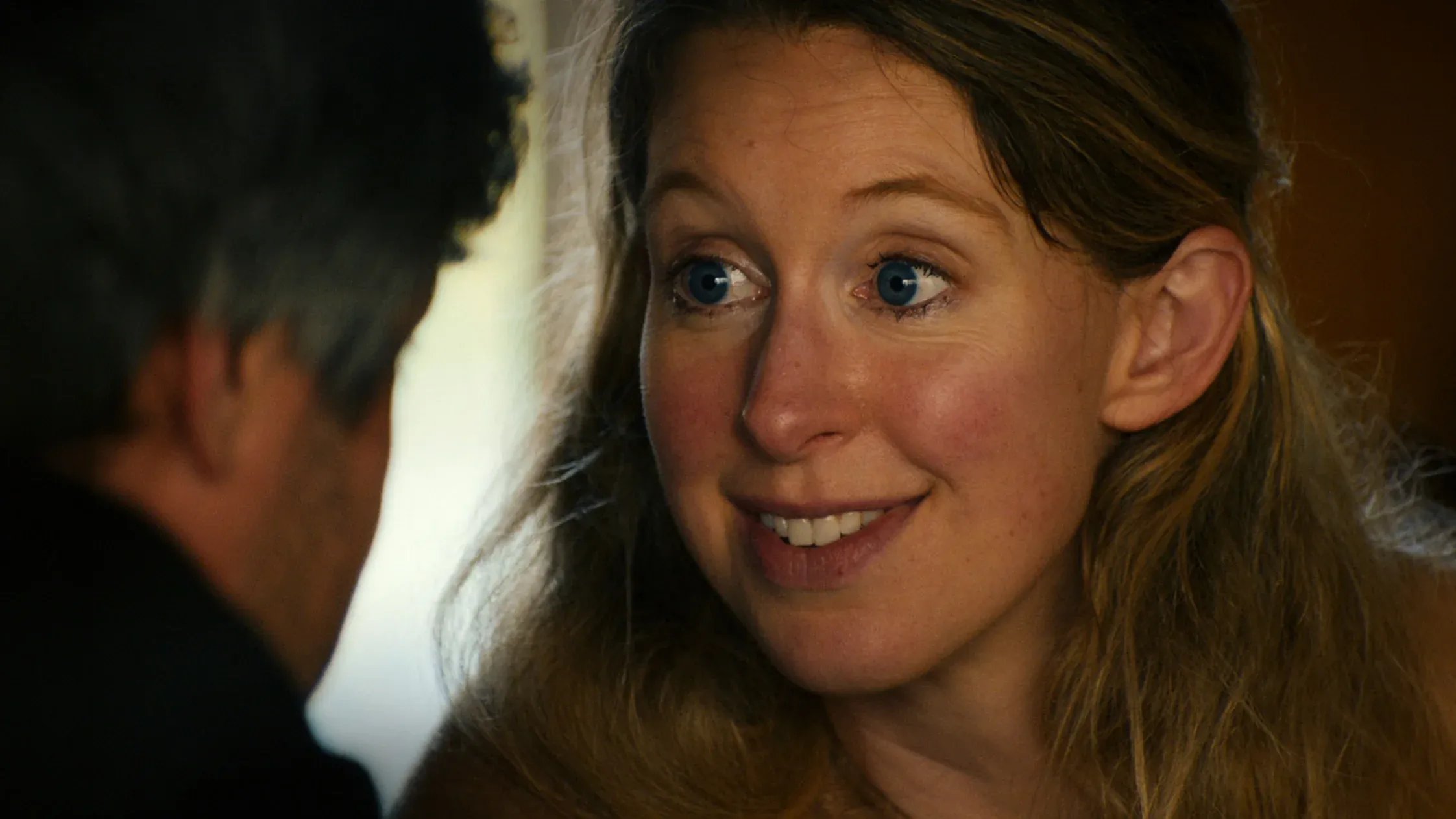
Elizabeth Holmes spent a decade convincing the world she could do the impossible. In You Can See Everything, someone finally points a camera at her and refuses to look away, and the result is the most unsettling film of the year.
It is also one of the best. Nathan Fielder's three-hour documentary is clever, cruel in places, far too long in others, and impossible to shake. We give it 9 out of 10.
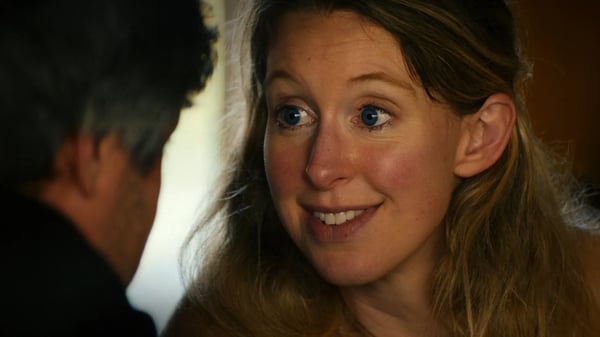
The set-up is almost unbelievable. In 2023, 34 days before Holmes began an 11-year federal prison sentence for defrauding Theranos investors, she and her partner, Billy Evans, invited Fielder and co-director Lance Oppenheim to film them at a rented beach house in Del Mar, California. Filming picked up again about two years later as Fielder followed Evans's new company, and where the cameras couldn't go, Amanda Seyfried steps back into the Holmes role she played in The Dropout to re-enact the meetings.
This is Fielder's first feature as a director, and anyone who has seen Nathan for You or The Rehearsal will recognise the method: awkward silences, elaborate set-ups and a host who is never quite outside the frame. Here the joke has a much darker target.
And audiences have turned up for it. Made for $7 million and premiered in secret at the Telluride Film Festival, where guests had to hand over their phones, it opened to $15.6 million, the second-best start ever for a non-musical documentary after Fahrenheit 9/11. Last weekend, its third, it was No. 1 at the US box office, according to Box Office Mojo's estimates.
| Site | Score |
|---|---|
| Rotten Tomatoes critics | 96% (203 reviews) |
| Rotten Tomatoes audience | 96% |
| Metacritic | 97 (41 critics) |
| Rating | R |
| Runtime | 2 hr 54 min |
| Where to watch | In cinemas |
Checked Nov. 2, 2026.
A documentary that won't sit still
The brilliance of You Can See Everything is that it never settles on one question. It starts as a portrait of a convicted fraudster in her last free weeks, slides into a study of the man managing her image, and ends up turning the camera on the filmmakers themselves and their growing doubts about whether anything Holmes says is true.
That last turn is where it becomes something special. Fielder has said that during filming Holmes often seemed so sincere that he had to keep reminding himself she was a liar, and the film puts that confusion on screen. It lets her charm work on the audience, then makes the audience notice.
The critics are close to unanimous. Manohla Dargis, writing for The New York Times, said "few movies speak as uncannily to the pathos and destabilizing confusions of the present moment." The Guardian's Adrian Horton gave it five stars and called it a "stupefying and gloriously destabilizing hall of psychological mirrors." Variety's Owen Gleiberman called it "a one-of-a-kind reality-TV-as-hangout-movie psychodrama circus," which is about as close as anyone has come to describing it in a sentence.
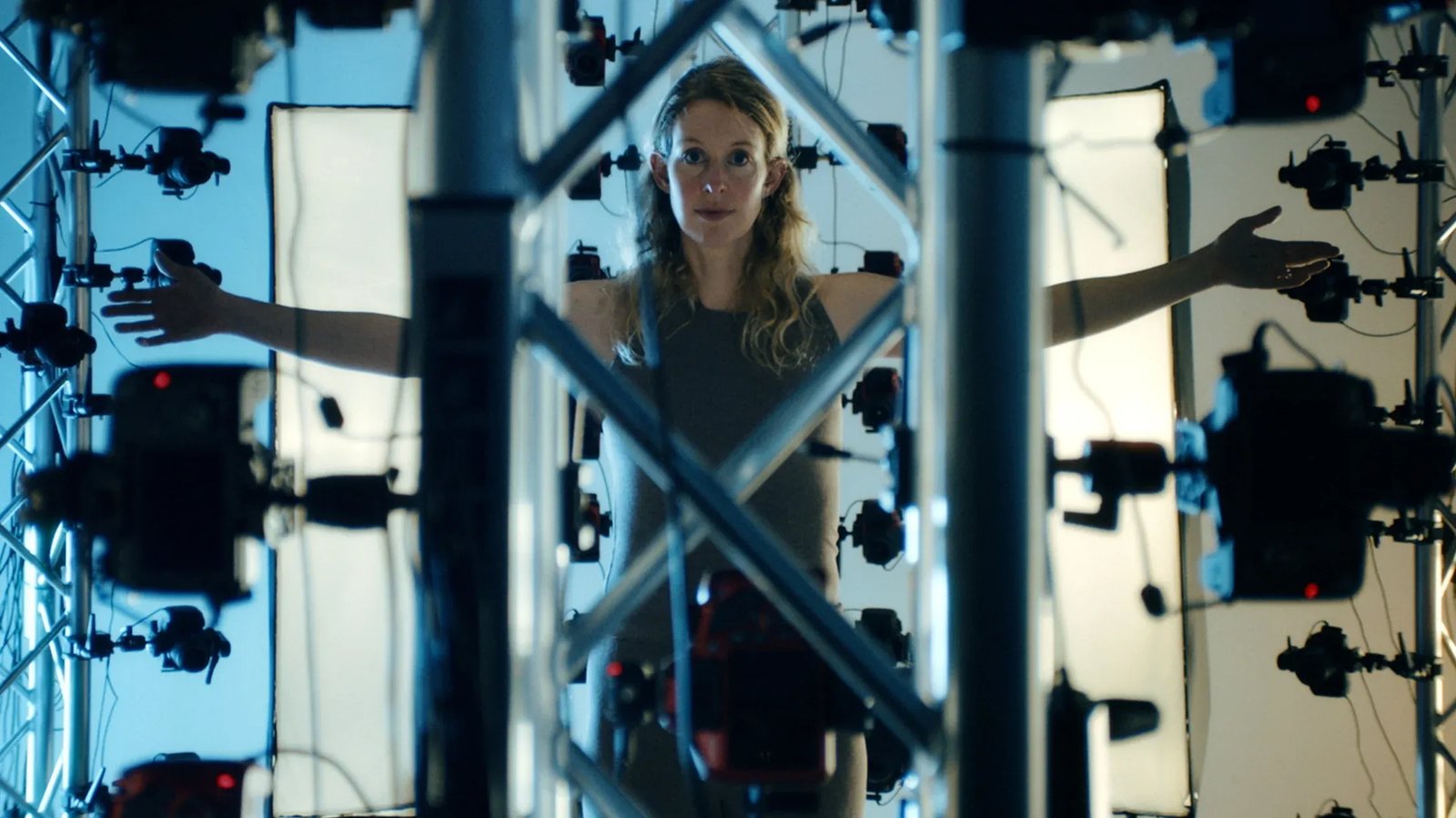
The Seyfried re-enactments are a masterstroke. They let the film show what it can't film, and they keep reminding you that Holmes's whole life has been a performance with several versions of her in it. Christopher Abbott plays Evans in the re-staged scenes, and the gap between the actors and the real people they play becomes part of the point.
For something so slippery, it is also beautifully put together, from David Bolen's cinematography to Ari Balouzian's score, and even critics with real reservations have called it beautiful.
Where it gets hard to watch
Not everything works. At 174 minutes, it is long, and it feels it. The Washington Post's Shane O'Neill called it a masterpiece but warned: "Even for the most hardcore cringe aficionado, it's a tough watch."
The bigger problem is Fielder himself. His confrontational style, the sarcastic exchanges and the moments where he embarrasses Holmes in front of her parents, give the film what The New Yorker's Richard Brody called "an air of cruelty." Holmes did real harm, but there are scenes where the film enjoys her discomfort a little too much.
That cruelty cuts both ways. It is also what makes the film so gripping: Fielder pushes until something real slips out, and the moments when it does are the best in the film.
The people in it are still reckoning with it. Evans has said on the All-In podcast that he hadn't seen the film, and that taking part might have been the dumbest thing he has ever done.
The film has become a phenomenon well beyond the cinema, too. Holmes and Fielder were two of this year's most popular Halloween costumes, and the late-night shows have been parodying it for weeks.
If you loved The Rehearsal, Tiger King or The Dropout, this is the one you'll be arguing about at dinner. It earns the big screen: it is rated R, runs nearly three hours, and is in cinemas now, so go when you can give it your full attention and maybe skip the large drink.
You Can See Everything promises a look at Elizabeth Holmes with nothing hidden. It delivers something stranger: a film about how badly we all want to believe her.